
Imagine planning your dream trip to the United States, only to be asked for a comprehensive five-year history of your social media activity. This isn’t a dystopian novel; it’s a very real proposal from American officials that could soon become a new benchmark for US tourist entry requirements.
The Department of Homeland Security (DHS) and its component agency Customs and Border Protection (CBP) have unveiled a controversial DHS ESTA proposal, published in the Federal Register, that seeks to dramatically expand the information collected from visitors under the Electronic System for Travel Authorization (ESTA). This program currently allows citizens from approximately 40 countries, including the UK, Ireland, France, Australia, and Japan, to visit the US for up to 90 days without a visa.
The core of this proposed change? A mandatory “five-year social media check.” Under the new ESTA new rules 2025, applicants would be required to disclose their social media handles and usernames from the past half-decade. But it doesn’t stop there. The proposal also calls for the collection of telephone numbers and email addresses used over the last five and ten years, respectively, along with more detailed information about family members. This significant expansion from the existing, comparatively limited ESTA application has raised eyebrows globally.
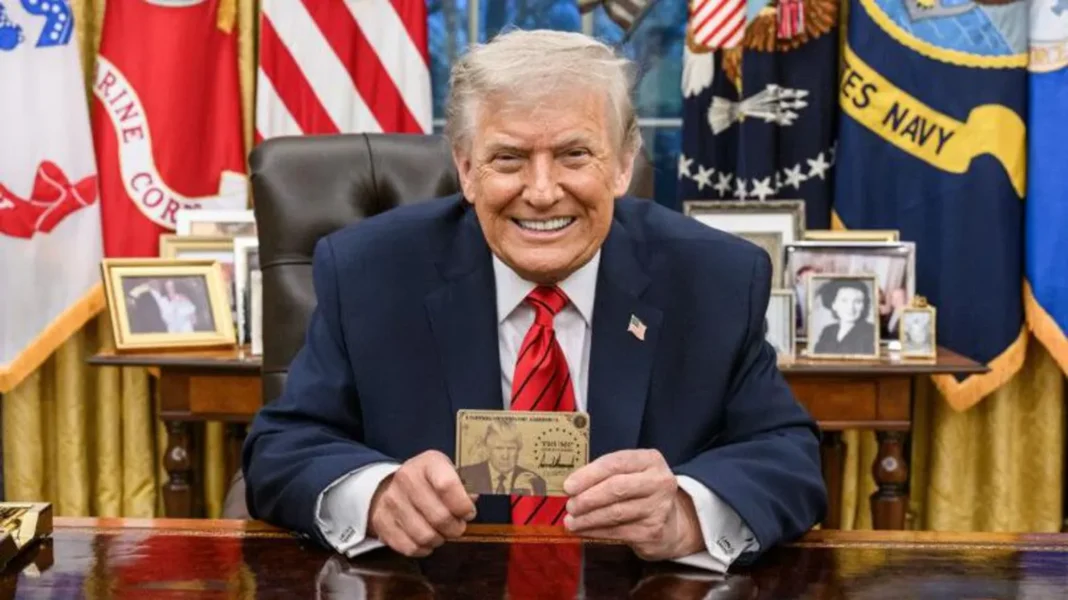
President Donald Trump, whose administration has consistently moved to toughen US borders citing national security concerns, has been unapologetic about the potential impact. When questioned about a possible steep drop-off in tourism, Trump responded, “No. We’re doing so well. We just want people to come over here, and safe. We want safety. We want security. We want to make sure we’re not letting the wrong people come enter our country.” This stance aligns with the broader Trump immigration policy, emphasizing heightened vetting to protect against “Foreign Terrorists and Other National Security and Public Safety Threats.”
However, digital rights advocates and immigration experts are sounding the alarm. Sophia Cope of the Electronic Frontier Foundation warned the plan could “exacerbate civil liberties harms.” Immigration law practice Fragomen highlighted practical concerns, suggesting applicants could face significantly longer waits for ESTA approvals, adding another layer of friction to international travel. The prospect of disclosing such personal digital footprints has led many to question the balance between security and privacy.
This isn’t an isolated incident. The Trump administration previously implemented similar measures for student and H-1B visa applicants, instructing officers to screen for those who “advocate for, aid, or support designated foreign terrorists and other threats to national security.” The US Embassy and Consulate in Mexico, for instance, already warns certain visa applicants that failure to list all social media usernames from the last five years could lead to visa denial. This consistent push underscores a comprehensive strategy to scrutinize the “online presence” of foreign nationals entering the US.
The economic implications of such policies have also been a point of contention. Experts have previously suggested that changes to travel policies under Trump have negatively impacted the American tourism industry. The World Travel & Tourism Council noted that the US was the only one of 184 economies analyzed that was expected to see a decline in international visitor spending in 2025. Furthermore, boycotts from countries like Canada, historically a major source of tourism, have resulted in a sustained decline in visitor numbers, costing the US billions annually.
While the DHS states that “nothing has changed on this front for those coming to the United States” and that this proposal is merely “the first step in starting a discussion,” the implications of a mandatory US social media history requirement are profound. As the public has 60 days to provide feedback on the proposal, the debate over national security versus digital privacy and the potential chilling effect on tourism is far from over. The future of US tourist entry requirements hangs in the balance, potentially redefining what it means to visit America.