

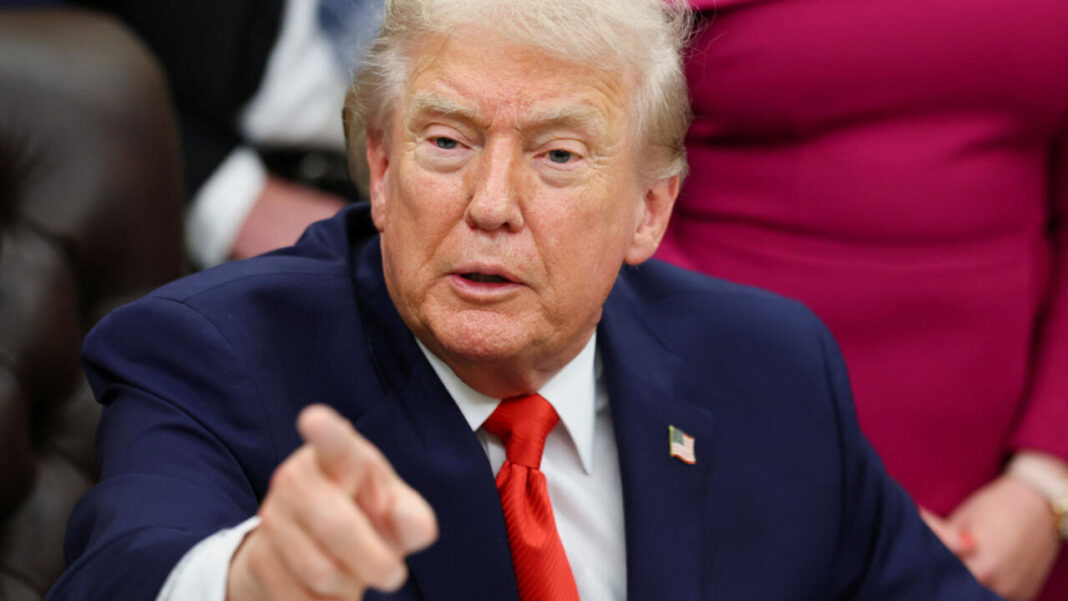
President Donald Trump has once again sent shockwaves through the global community with a significant expansion of the US travel ban, adding five new countries to the list of nations facing severe entry restrictions. This move, framed by the White House as a critical step to bolster border security and protect the United States, will reshape Trump immigration policies and affect countless individuals seeking to enter the country. Set to take effect on January 1st, this executive action underscores the administration’s persistent focus on tightening immigration controls.
The newly imposed full-entry restrictions target nationals from Burkina Faso, Mali, Niger, South Sudan, and Syria. In a notable addition, individuals traveling on Palestinian Authority-issued documents will also face a complete suspension of entry. Furthermore, Laos and Sierra Leone, previously under partial restrictions, have now been escalated to the full ban list. This far-reaching directive also introduces partial visa restrictions on 15 other countries, including economically vital nations like Nigeria, Tanzania, and Zimbabwe, signaling a broader recalibration of America’s travel policy.

The administration’s rationale behind this expansion centers on perceived failures in overseas screening and vetting systems. Officials have cited a spectrum of concerns, from high visa overstay rates and unreliable civil records to pervasive corruption, terrorist activity, and a lack of cooperation from foreign governments in accepting deported nationals. The White House specifically highlighted the recent arrest of an Afghan national following the shooting of two National Guard troops over Thanksgiving weekend as an example of the security threats it aims to mitigate with these stricter measures.
This marks the third instance of President Trump implementing a major US travel ban. His initial 2017 order triggered widespread protests and intense legal battles both domestically and internationally, eventually being upheld by the US Supreme Court. The current restrictions will remain in place until affected countries demonstrate “credible improvements” in identity management, information-sharing, and cooperation with US immigration authorities. This creates a clear pathway, albeit a challenging one, for nations to escape the stringent banned countries list.
It’s important to note that the ban includes several exceptions. Lawful permanent residents, many existing visa holders, diplomats, and athletes traveling for major sporting events will not be affected. Additionally, a system for case-by-case waivers will be available for travel deemed to be in the national interest. However, for those without these exemptions, particularly citizens of the newly added nations and Palestinian Authority passport holders, the impact will be profound, complicating family reunions, educational pursuits, and economic opportunities in the U.S.
Countries now facing full restrictions include Afghanistan, Burkina Faso, Burma, Chad, Equatorial Guinea, Eritrea, Haiti, Iran, Laos, Libya, Mali, Niger, Republic of the Congo, Sierra Leone, Somalia, South Sudan, Sudan, Syria, and Yemen.
Partial restrictions apply to Angola, Antigua and Barbuda, Benin, Burundi, Côte d’Ivoire, Cuba, Dominica, Gabon, The Gambia, Malawi, Mauritania, Nigeria, Senegal, Tanzania, Togo, Tonga, Venezuela, Zambia, and Zimbabwe. Turkmenistan remains a special case with immigrant restrictions but lifted non-immigrant visa restrictions.