
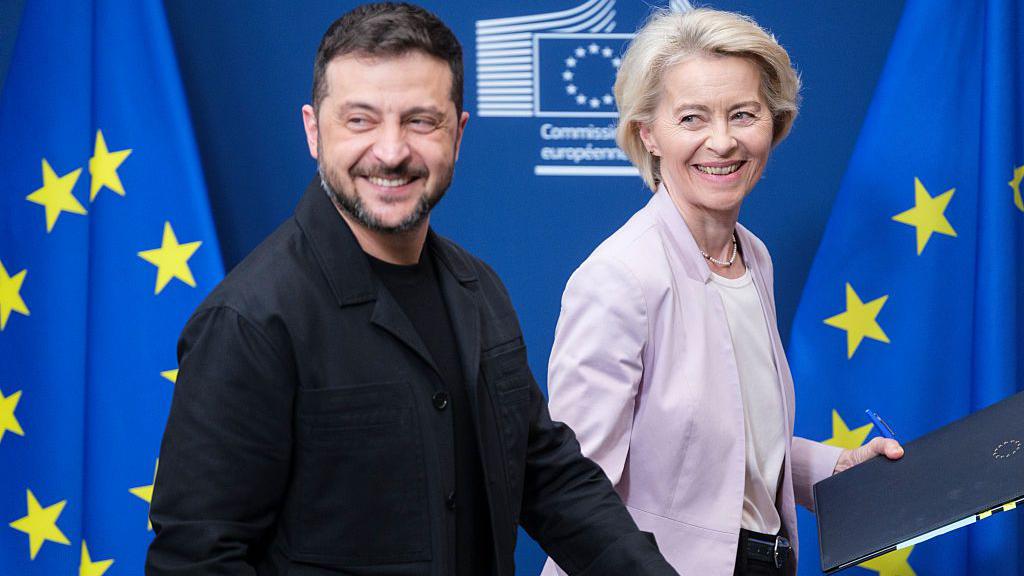
After tense negotiations stretching over a full day, European Union leaders have successfully hammered out a crucial agreement: a massive €90 billion loan designed to bolster Ukraine’s military and economic resilience for the next two years. The deal, announced triumphantly by EU chief Antonio Costa, offers Kyiv a desperately needed financial injection, affirming the bloc’s unwavering commitment to its besieged neighbour. “We committed, we delivered,” Costa declared, signaling a unified front from the recent EU summit.
This substantial EU Ukraine loan, backed by the bloc’s common budget, comes at a critical juncture for Kyiv. Ukrainian President Volodymyr Zelensky has repeatedly warned that without significant Ukraine funding soon, the nation faces a severe cash crunch by spring, potentially forcing a reduction in vital drone production. With the EU estimating an extra €135 billion is required for Ukraine to stay afloat over the next two years, this €90 billion commitment provides a vital lifeline, offering much-needed Zelensky aid.
However, the agreement exposes a major unresolved flashpoint: the highly contentious issue of using frozen Russian assets to fund Ukraine. Despite repeated and urgent appeals from Volodymyr Zelensky to unlock nearly €200 billion in frozen Russian funds, the proposal failed to secure unanimous approval from EU member states.
Belgium, where the vast majority of the frozen Russian central bank assets are held, firmly demanded legal and financial guarantees on shared liability before approving any transfer — conditions that other EU governments were unwilling or unable to accept. The dispute underscored deep divisions within the European Union over risk-sharing, legal exposure, and precedent-setting financial measures.
Belgian Prime Minister Bart De Wever defended the decision to rely on borrowed funds instead of confiscating frozen Russian assets, arguing that the alternative would have risked “chaos and division” within the bloc. The move, he said, was necessary to preserve EU unity, maintain financial stability, and avoid fracturing consensus at a time of intense geopolitical pressure surrounding Russia, Ukraine, and European security.
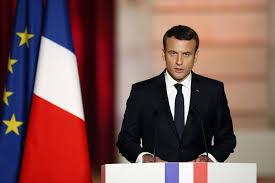
The geopolitical landscape surrounding the conflict remains dynamic. In a surprising development, French President Emmanuel Macron expressed his belief that re-engaging with Russian President Vladimir Putin would be “useful” for Europe, suggesting discussions could resume in the coming weeks. Meanwhile, the broader diplomatic efforts to de-escalate the conflict continue. Reports indicate US and Russian officials are slated to meet in Miami this weekend for further peace plan discussions, with Kremlin envoy Kirill Dmitriev expected to engage with Trump envoys. Concurrently, President Zelensky announced new talks between Ukrainian and US delegations would take place in the United States, seeking more concrete guarantees for Ukraine’s future security.
German Chancellor Friedrich Merz, a proponent of the Russian asset plan, nevertheless hailed the final loan decision as “sending a clear signal” to Putin. While Russia had explicitly warned against the use of its frozen funds, Polish Prime Minister Donald Tusk stressed the need for the EU to “rise to this occasion.” This €90 billion package underscores the intricate balancing act of war financing and international diplomacy, providing crucial support to Ukraine while navigating complex legal and political hurdles. The agreement, though not utilizing Russian assets, reaffirms Europe’s resolve to support Ukraine’s fight for survival.