
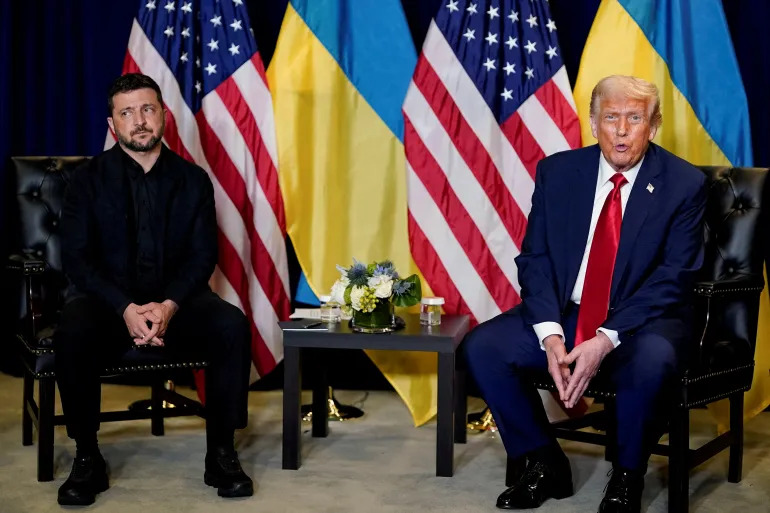
The conflict between Ukraine and Russia, now in its fourth year, may be approaching a new diplomatic turning point after Kyiv and Washington jointly released a revised 20-point peace plan aimed at ending the war. The plan — which proposes a series of major compromises, security guarantees, and territorial arrangements — has been shared with Moscow for its response, though no official approval has yet been announced.
A New Peace Framework Emerges
Ukrainian President Volodymyr Zelenskyy presented the latest draft after weeks of negotiations with U.S. officials, positioning it as a realistic basis for ending hostilities. The updated peace proposal condenses earlier efforts into a more streamlined set of points designed to address both military and political dimensions of the conflict.
The central idea involves establishing demilitarized zones in the contested eastern regions, particularly the Donbas, where both Ukrainian and Russian forces would withdraw under monitored conditions. This demilitarization is coupled with proposals for robust security guarantees and future protections modeled in part on collective defense arrangements.
The draft plan also suggests creating free economic zones in former conflict areas, which would be integrated into Ukraine’s economic system under international oversight. Such provisions aim to balance territorial sensitivity with economic recovery prospects.
Major Components of the Peace Proposal
Among the most significant parts of the proposal are:
Demilitarization and Military Withdrawal
The plan calls for the establishment of demilitarized zones along current front lines, particularly in eastern Ukraine. Both sides would pull back heavy forces, and international monitors would supervise compliance to reduce the risk of renewed fighting.
This represents one of the most delicate aspects of the draft, as it requires concessions from both sides — Ukraine would agree to withdraw some of its troops from contested areas if Russia reciprocates.
Security Guarantees and Defense Arrangements
Ukraine is seeking strong defense assurances that go beyond simple ceasefire terms. The peace framework proposes security commitments involving Ukraine, the United States, and European partners that mirror collective defense concepts. This is intended to deter future aggression and reassure Kyiv of long-term protection.
Another proposed element is to maintain Ukraine’s military at a defined level, ensuring it can still defend itself even after a formal agreement is reached.
Status of Donbas and Territorial Integrity
Territorial control over the Donetsk and Luhansk regions — collectively known as the Donbas — remains a core sticking point. The peace plan suggests freezing the current front lines and eventually converting these areas into zones with special regulatory status, subject to local referendums.
Ukraine insists that any final settlement upholds its sovereignty and does not require formal recognition of Russian territorial claims — a condition seen as essential for public support.
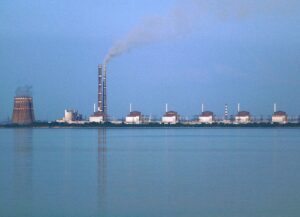
Zaporizhzhia Nuclear Plant Arrangements
A particularly complex part of the negotiations concerns the Zaporizhzhia nuclear power plant, Europe’s largest, currently under Russian control. Kyiv has proposed a joint Ukrainian–U.S. management model, while other drafts had suggested Russian participation. The plan aims to secure independent oversight of the plant’s operations and prevent it from becoming a flashpoint in future disputes.
Economic Recovery and Reconstruction Funds
The peace proposal also places strong emphasis on economic rebuilding. It envisions the creation of substantial international funds to support infrastructure reconstruction, humanitarian relief, and long-term economic growth across Ukrainian territories directly affected by conflict.
Unification of trade agreements and preferential access to European markets are also part of the economic package, signaling a broader integration of Ukraine into Western economic structures.
Mixed Reactions and Moscow’s Position
While Kyiv and Washington describe the plan as significant progress toward peace, Russia has yet to endorse it outright. Kremlin officials have signaled they will seek changes to the proposal, particularly regarding Ukraine’s military structure and territorial arrangements.
Moscow continues to insist on conditions that differ sharply from Kyiv’s terms, including greater influence over key regions. This divergence threatens to prolong the negotiations unless diplomatic pressure or incentives lead to compromise.
Domestic sentiments within Russia also reflect a complex picture. Recent polling suggests a growing share of the population anticipates the war ending in 2026, although public opinion remains shaped by state messaging and restricted dissent.
Broader Context: The Past and Present of Peace Talks
Efforts to negotiate peace have been ongoing since the war began, with previous agreements faltering under shifting battlefield conditions. Earlier negotiated frameworks called for ceasefires, weapon withdrawals, and constitutional guarantees, but implementation repeatedly stalled.
The updated 20-point proposal represents a renewed push — combining military, political, and economic strategies — in hopes of achieving a more durable resolution.
Challenges Ahead
Major obstacles remain in bringing the plan to fruition, including:
-
Territorial dispute resolution: Both sides diverge strongly on conditions for eastern Ukraine.
-
International monitoring and enforcement: Effective deployment of peacekeepers and observers is a logistical and diplomatic hurdle.
-
Public support: Any peace agreement will likely require referendums or legislative ratification in Ukraine, ensuring it must reflect broad public consent.
-
Continued hostilities: Ongoing attacks and battlefield tensions could undermine diplomatic momentum if violence escalates further.
What the Peace Plan Could Mean for the Future
If successfully negotiated and implemented, the proposal could:
-
End one of Europe’s longest and most destructive conflicts in recent decades
-
Reconfigure security arrangements in Eastern Europe
-
Transform former war zones into integrated economic regions
-
Offer a blueprint for future conflict resolution involving major powers
However, reaching such an outcome depends on diplomatic persistence, international pressure, and compromise from both Kyiv and Moscow.
For now, the world watches as negotiations enter a crucial phase, with expectations high but uncertainties remaining significant. The next steps — particularly Russia’s official response — will shape whether this peace plan moves from draft text to reality.