
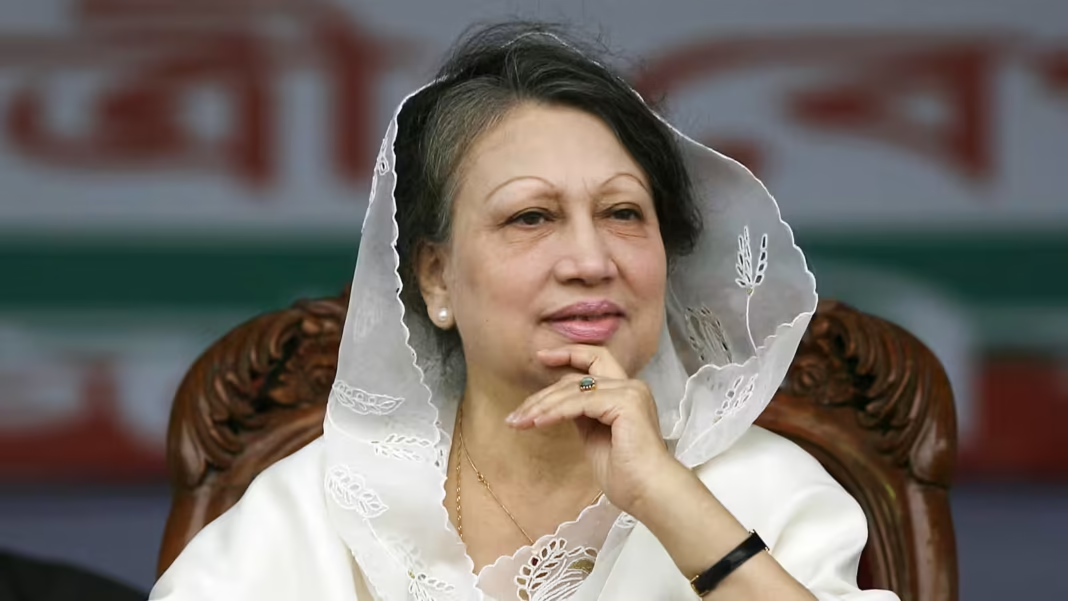
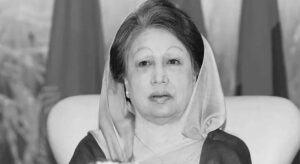
Khaleda Zia, a towering figure in Bangladesh’s political history and the country’s first female prime minister, has died at the age of 80. Her passing marks the end of a remarkable political career that shaped the nation’s governance for decades and left a deep imprint on Bangladesh’s political landscape.
A Historic Political Leader
Khaleda Zia was a central figure in Bangladesh’s modern political history, known for breaking barriers as the first woman to lead the nation. She rose to prominence as a leader of the Bangladesh Nationalist Party (BNP) and served multiple terms as prime minister, influencing major policy decisions and forging Bangladesh’s direction in domestic and international affairs.
Her leadership was often defined by strong political viewpoints and fierce rivalry with other major political figures — rivalries that have shaped much of Bangladesh’s political discourse for years.
Impact on Bangladesh’s Political Landscape
Zia’s time in office saw efforts to expand economic development, build strategic international relationships, and strengthen Bangladesh’s infrastructure. She championed several key initiatives aimed at improving public services and enhancing the country’s regional presence. Her leadership also signaled a broader shift in South Asian politics, showcasing a woman holding one of the highest political offices in the region.
Her legacy includes:
-
Pioneering female political leadership
-
Steering Bangladesh through crucial economic and social phases
-
Inspiring many women to pursue leadership roles in public life
Her influence extended far beyond her tenure, shaping the nature of political engagement and party dynamics in Bangladesh.
National Mourning and Public Reaction
News of Zia’s passing triggered widespread emotion across Bangladesh. Government leaders, political figures, and ordinary citizens expressed deep sorrow and remembered her as a formidable leader who played a key role in the country’s development.
Tributes poured in from across the political spectrum, with many acknowledging her resilience, tenacity, and historical significance. Statues, banners, and social media posts reflected a nation in mourning, with many recalling her contributions to national progress and political life.
Her Place in History
Zia’s role as the first female prime minister not only stands as a milestone for Bangladesh but also for women’s political participation in South Asia. She broke through entrenched barriers in a field traditionally dominated by men and became a symbol of possibility for aspiring women leaders.
Her political career, marked by both achievements and controversies, will be remembered as part of Bangladesh’s evolving democratic journey.
What Happens Next
Following her death, state institutions and the ruling government are expected to announce official mourning arrangements. Flags may be flown at half-mast, and public tributes and memorial services are likely to be held across the country.
Political parties and civic groups are also expected to organize events honoring her life and reflecting on her contributions to Bangladesh’s history and governance.
Remembering Khaleda Zia
Khaleda Zia’s passing marks the end of an era in Bangladeshi politics. Her life and career — from political pioneer to national leader — are woven into the modern story of Bangladesh’s development.
Leaders and citizens alike will likely continue to debate and reflect on her legacy, but her place as a historic figure and trailblazer for women in leadership remains undeniable.