
For decades, Venezuela was one of Latin America’s richest nations, sitting on the world’s largest proven oil reserves and boasting a strong middle class. Today, it stands as one of the most dramatic examples of economic and political collapse in modern history.
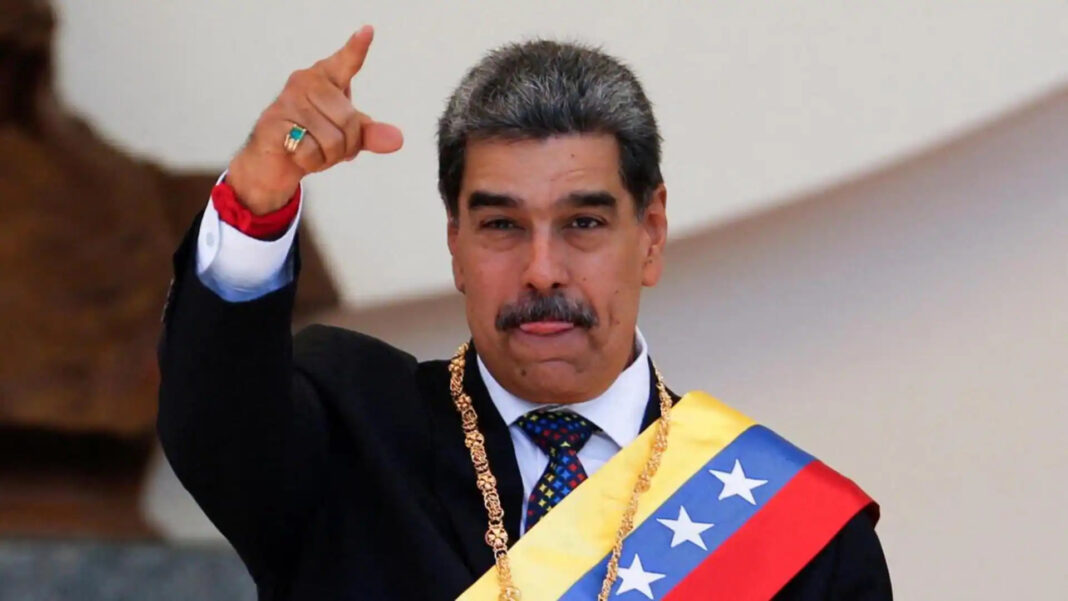
With Nicolás Maduro now out of power, the question many are asking is simple but profound:
How did Venezuela fall so far — and what happens next?
How Venezuela Fell: The Core Causes
Venezuela’s collapse was not caused by a single event. It was the result of compounding failures across politics, economics, and governance, unfolding over years.
1. Overdependence on Oil
Venezuela built its entire economy around oil exports.
-
Oil accounted for the vast majority of government revenue
-
Other industries were neglected
-
When oil prices collapsed, the state had no backup
Instead of diversifying during boom years, leaders doubled down on oil dependence — leaving the economy extremely fragile.
2. Populism Without Sustainability
Generous social programs expanded rapidly, funded almost entirely by oil money. While these policies initially reduced poverty, they were not economically sustainable.
When revenues fell:
-
Programs collapsed
-
Government deficits exploded
-
Inflation spiraled out of control
Short-term political popularity was prioritized over long-term stability.
3. Nationalization and Economic Mismanagement
Mass nationalization of private companies crippled productivity.
-
Businesses were taken over by the state
-
Skilled professionals fled
-
Efficiency collapsed
State-run industries became politicized, corrupt, and underfunded. Production declined even as demand rose.
4. Hyperinflation and Currency Collapse
The government printed money to cover deficits, triggering hyperinflation.
At its peak:
-
Prices doubled within weeks
-
Savings became worthless
-
Salaries lost all real value
Everyday life became a survival exercise, pushing millions into poverty almost overnight.

5. Corruption and Institutional Breakdown
Corruption became systemic.
-
Billions in oil revenue disappeared
-
Courts lost independence
-
Elections lost credibility
As institutions weakened, accountability vanished. Trust in government collapsed alongside the economy.
6. International Isolation and Sanctions
As democratic norms eroded, Venezuela faced growing international isolation.
Sanctions worsened:
-
Access to global markets
-
Oil exports
-
Financial transactions
While sanctions didn’t cause the collapse, they accelerated an already failing system.
7. The Human Cost: Mass Migration
The result was one of the largest migration crises in the world.
-
Millions fled the country
-
Healthcare systems collapsed
-
Food and medicine shortages became routine
The loss of skilled workers further deepened the crisis.
What Changes Now That Maduro Is Gone?
Maduro’s exit marks a symbolic and political turning point, but recovery will not be instant.
What Can Improve Quickly
1. International Re-engagement
A credible transition opens doors to:
-
Sanctions relief
-
Foreign investment
-
Access to global financial institutions
This alone could stabilize currency and trade.
2. Institutional Reset
Rebuilding trust in:
-
Courts
-
Elections
-
Central bank independence
is critical to restoring confidence — both domestically and internationally.
3. Oil Sector Revival
Venezuela’s oil reserves remain massive.
With reforms:
-
Production can rise
-
Revenue can return
-
Infrastructure can be rebuilt
Oil will likely fund recovery — but must no longer dominate the economy.
The Hard Part: Long-Term Challenges
Economic Pain Will Continue
Reforms often mean:
-
Ending subsidies
-
Tight fiscal policies
-
Short-term hardship
Recovery will test public patience.
Political Stability Is Fragile
A transition period risks:
-
Power struggles
-
Institutional resistance
-
Populist backlash
Unity will be harder than change itself.
Rebuilding Trust Takes Time
After years of broken promises, skepticism runs deep. Citizens will demand:
-
Transparency
-
Accountability
-
Tangible improvements
Words alone won’t be enough.
Best-Case vs Worst-Case Scenarios
Best Case
-
Gradual economic recovery
-
Return of diaspora talent
-
Stabilized democracy
-
Regional reintegration
Worst Case
-
Political fragmentation
-
Economic shock therapy backlash
-
New authoritarian figures
-
Continued instability
Why Venezuela’s Story Matters Globally
Venezuela is a case study in how:
-
Resource wealth can become a curse
-
Institutions matter more than ideology
-
Economic mismanagement compounds over time
Its recovery — or failure — will influence political movements, energy markets, and migration across the Americas.
Final Thoughts
Venezuela’s collapse was man-made, not inevitable. Its recovery will also be human-driven — dependent on leadership, institutions, and collective resolve.
With Maduro gone, Venezuela has something it hasn’t had in years:
a second chance.
Whether it becomes a story of renewal or repetition will depend on what replaces the old system — not just who replaces the old leader.