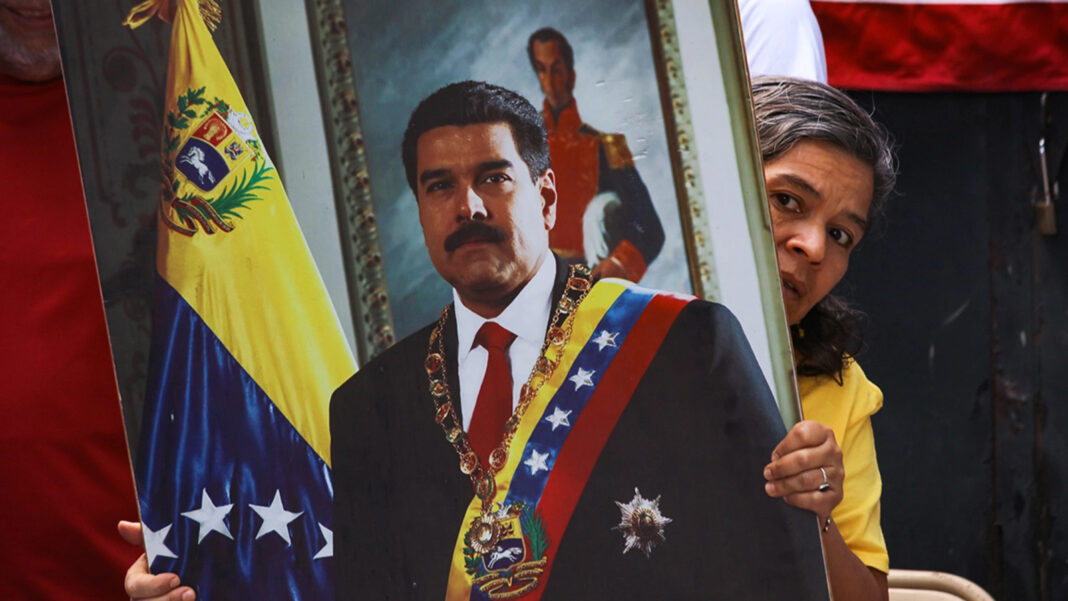

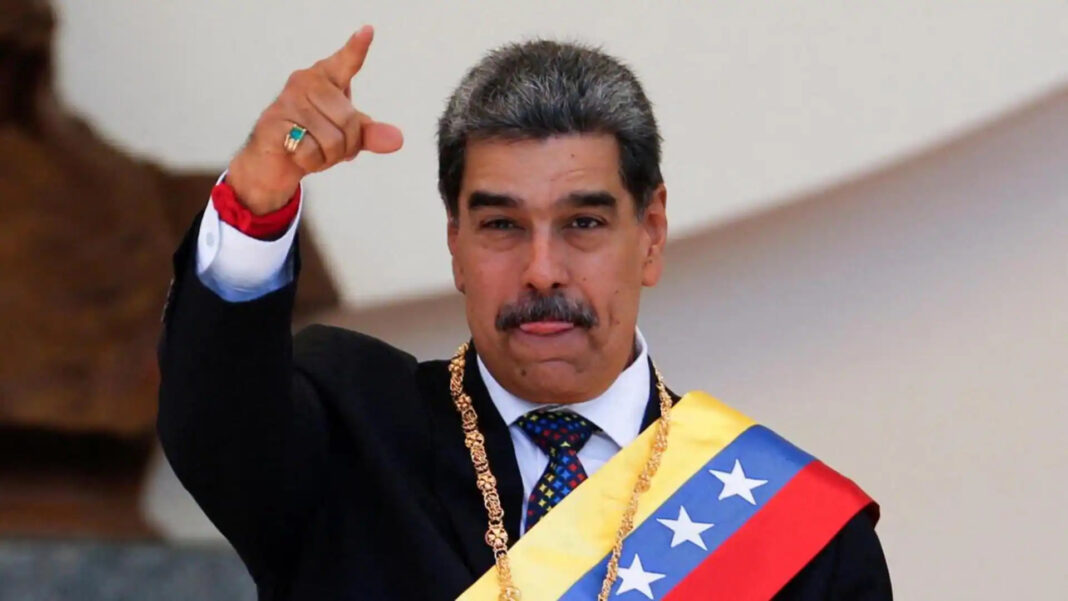
Former Venezuelan leader Nicolás Maduro has told a U.S. court that he is “still the president of Venezuela”, even as he formally pleaded not guilty to drug trafficking charges in a case that underscores the dramatic fall from power of one of Latin America’s most controversial figures.
The statement, delivered during a high-profile court appearance, highlights the ongoing dispute over legitimacy, authority, and accountability that continues to surround Venezuela’s political crisis.

What Happened in Court
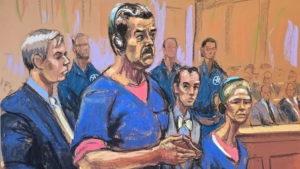
During proceedings in a U.S. federal court, Maduro rejected all charges related to drug trafficking and narcotics conspiracy. In a defiant declaration, he insisted that he remains Venezuela’s rightful president, despite losing control of the state and facing international legal action.
His remarks appeared aimed not only at the court, but also at his political base and international observers, reinforcing his long-held narrative that foreign governments are orchestrating efforts to remove him from power.
The Charges and Their Significance
The charges accuse Maduro of playing a central role in facilitating the trafficking of illegal drugs, allegedly using state institutions to protect and profit from criminal networks. Prosecutors argue the case is about criminal conduct, not politics.
Maduro’s legal team, however, has framed the case as politically motivated, claiming the charges are part of a broader campaign to delegitimize his leadership and undermine Venezuelan sovereignty.
Why Maduro Claims He Is ‘Still President’
Maduro’s insistence on presidential legitimacy reflects the unresolved nature of Venezuela’s leadership dispute. Although a new government has emerged and gained growing international recognition, Maduro continues to assert that any transition was unconstitutional.
By declaring himself president in court, Maduro is attempting to:
-
Reinforce his claim to immunity
-
Challenge the court’s jurisdiction
-
Maintain political relevance among supporters
The statement also reflects how deeply contested Venezuela’s transition remains.
Implications for Venezuela
Maduro’s court appearance comes at a delicate moment for Venezuela, which is attempting to stabilize politically and economically after years of crisis.
For many Venezuelans, the sight of their former leader facing international justice represents accountability long denied. For others, it raises fears of renewed polarization and unrest, particularly if Maduro continues to contest the authority of the new leadership.
U.S.–Venezuela Relations in Focus
The case has major implications for relations between Venezuela and the United States. While U.S. officials frame the prosecution as a law-enforcement matter, the trial inevitably carries geopolitical weight.
How the case proceeds could influence:
-
Sanctions policy
-
Diplomatic normalization efforts
-
International cooperation on Venezuela’s recovery
What Happens Next
The court has scheduled further hearings as the case moves forward. Legal experts expect the proceedings to be lengthy, involving jurisdictional challenges and political arguments alongside criminal evidence.
Meanwhile, Maduro’s public insistence on presidential status suggests he intends to fight the case not just legally, but symbolically — positioning himself as a leader in exile rather than a defendant.
Why This Moment Matters
Maduro’s declaration in court encapsulates Venezuela’s long crisis in a single moment: a former ruler clinging to power in words, while facing accountability in reality.
The outcome of the case will not only shape Maduro’s personal fate but may also define how the international community handles accountability for former leaders accused of serious crimes — and how Venezuela moves forward from one of the darkest chapters in its history.