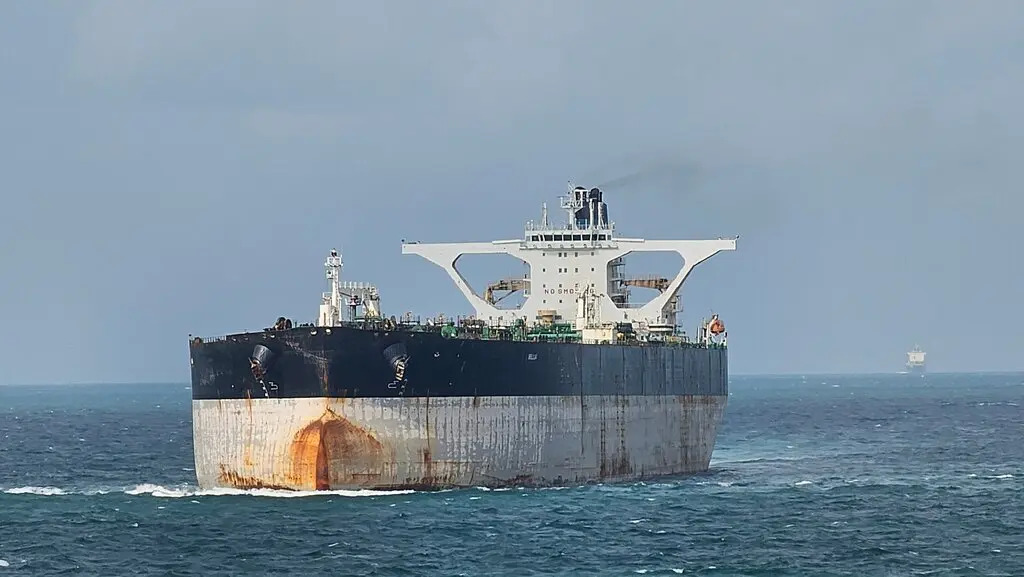

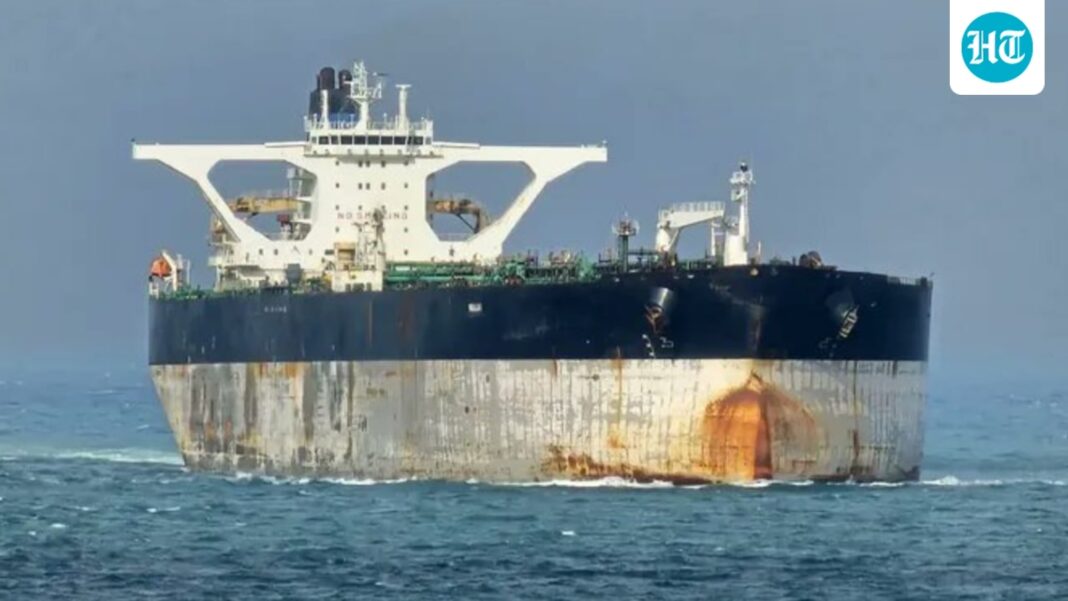
Russia has dispatched naval warships to escort and protect an oil tanker after U.S. forces reportedly began pursuing the vessel, sharply escalating tensions between the two military powers and raising concerns about a potential maritime standoff in international waters.
The move underscores how energy shipments, sanctions enforcement, and global geopolitics are increasingly colliding at sea.
What Happened at Sea
According to statements and military movements observed in recent hours, U.S. naval forces began tracking and pursuing an oil tanker suspected of violating sanctions or transporting restricted crude. In response, Russia rapidly deployed naval vessels to form a protective escort around the tanker, signaling that it considers the ship and its cargo under Russian protection.
The encounter unfolded in open waters, where competing interpretations of international maritime law often lead to high-risk confrontations.
Why the Tanker Matters
Oil tankers have become floating pressure points in global politics. As sanctions tighten and enforcement increases, tankers carrying crude linked to sanctioned states are routinely monitored, boarded, or diverted by naval forces.
In this case, the tanker is believed to be carrying oil tied to a geopolitically sensitive supply chain, making it a strategic target for interception — and a red line for Moscow.
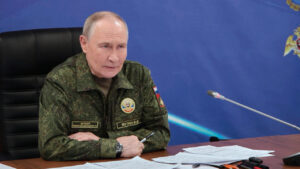
Russia’s Message
By sending warships, Russia is sending a clear signal:
-
It will actively protect energy shipments
-
It rejects unilateral enforcement actions at sea
-
It is willing to challenge U.S. naval pressure directly
Russian officials have framed the escort as a defensive measure, insisting the tanker is operating legally and that any attempt to seize or redirect it would be unacceptable.

U.S. Position
The United States has not publicly backed down, maintaining that monitoring and pursuit of the tanker aligns with international obligations and sanctions enforcement.
U.S. forces have increasingly focused on maritime interdictions as a tool to:
-
Enforce economic pressure
-
Disrupt sanctioned oil flows
-
Signal deterrence withoutz
The presence of Russian warships complicates that mission significantly.
A Risky Naval Dynamic
Naval analysts warn that encounters like this carry high escalation risks, even if neither side intends conflict.
Potential dangers include:
-
Miscommunication between crews
-
Aggressive maneuvering at close range
-
Radar locking or warning shots
-
Accidental collision
History shows that many major conflicts have begun with smaller incidents at sea.
Energy, Sanctions, and the Sea
This incident highlights a growing trend: the militarization of energy transport.
As sanctions regimes expand and global energy markets fragment:
-
Oil tankers are increasingly escorted
-
Navies are more frequently involved
-
International waters are becoming contested zones
What was once commercial shipping is now entangled with national security.
Global Implications
The standoff could have ripple effects beyond the immediate players:
-
Oil markets may react to fears of disrupted supply
-
Shipping insurers may raise premiums
-
Neutral shipping lanes could become riskier
-
Other powers may adopt similar escort strategies
If such encounters become routine, maritime norms could erode rapidly.
What Happens Next
Both sides are expected to:
-
Maintain close naval presence
-
Avoid direct engagement while asserting control
-
Use diplomatic backchannels to prevent escalation
However, as long as sanctions and energy enforcement remain central to global strategy, similar confrontations are likely to recur.
Why This Moment Matters
This is not just about one tanker. It reflects a broader shift where:
-
Economic warfare meets military power
-
Energy security becomes a naval issue
-
International waters turn into geopolitical flashpoints
The sea — once neutral ground — is fast becoming a front line.
Whether this incident cools down or escalates will depend on restraint, communication, and how far each side is willing to go to defend its interests.