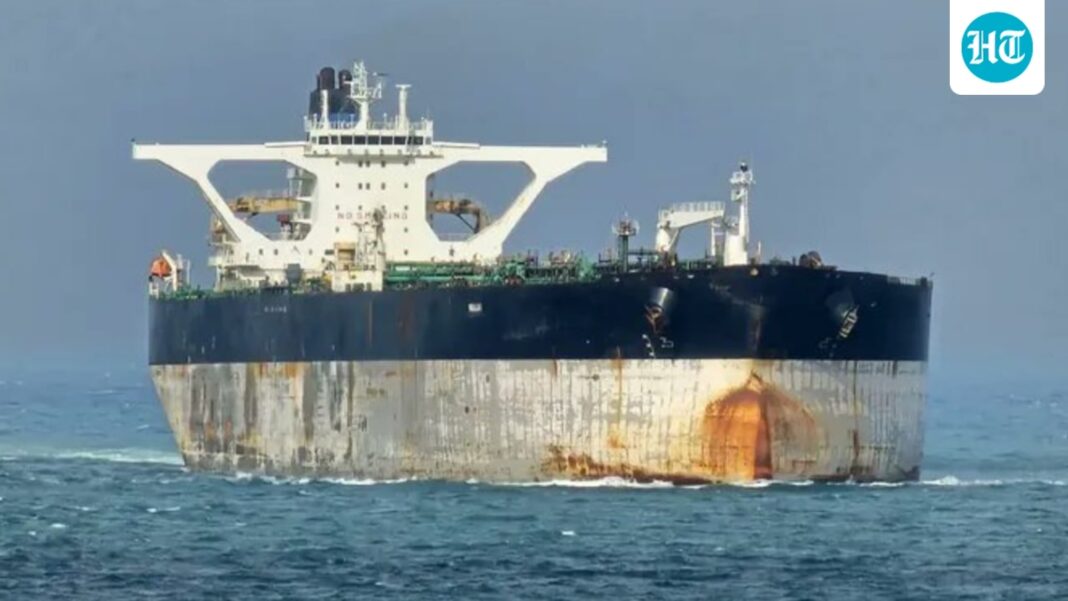

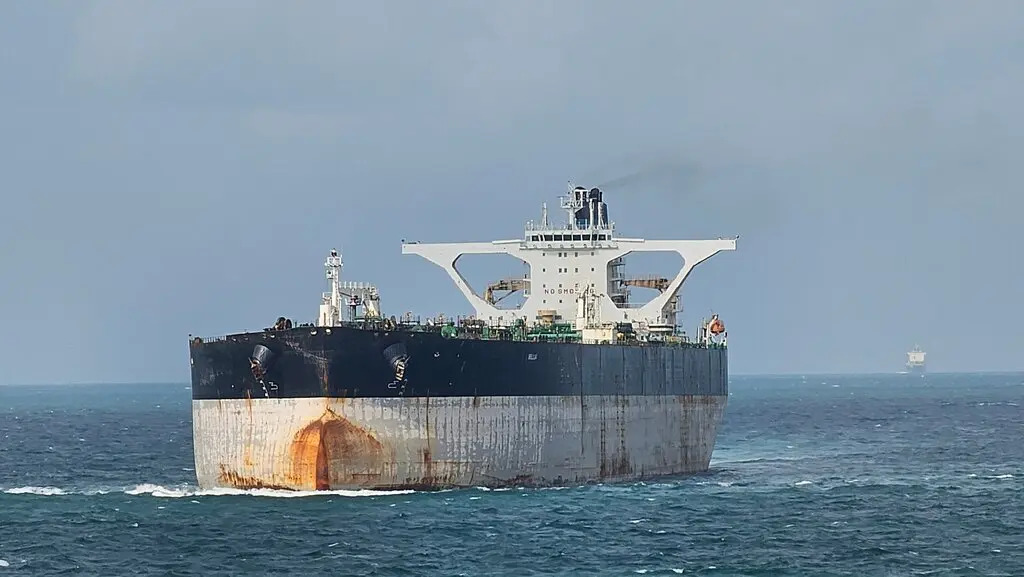
The United States has seized two so-called “shadow fleet” oil tankers allegedly linked to Venezuelan crude, marking a major escalation in Washington’s enforcement of energy sanctions and its efforts to crack down on covert oil trading networks operating at sea.
The seizures underscore how maritime routes have become a frontline in global economic and geopolitical pressure campaigns.
What Is the ‘Shadow Fleet’?
The term “shadow fleet” refers to a network of aging tankers used to transport sanctioned oil while avoiding detection. These vessels often:
-
Operate under obscure or frequently changing flags
-
Disable or manipulate tracking systems
-
Use ship-to-ship transfers in open waters
-
Rely on opaque ownership structures
Such fleets allow sanctioned oil to reach global markets despite restrictions.
Why These Tankers Were Targeted
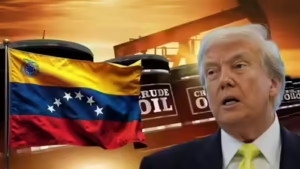
U.S. authorities say the two seized tankers were carrying oil tied to Venezuela, allegedly in violation of sanctions that restrict how Venezuelan crude can be sold and transported.
The vessels were reportedly intercepted after being tracked for weeks, with investigators mapping their routes, ownership layers, and cargo movements. The seizures are intended to disrupt illicit supply chains and send a warning to operators who attempt to bypass restrictions.
How the Seizure Unfolded
U.S. forces moved in while the tankers were transiting international waters, boarding the ships and taking control without reported resistance. The vessels were then redirected to ports under U.S. jurisdiction for further inspection and legal proceedings.
Officials described the operation as precise and deliberate, aimed at avoiding confrontation while asserting enforcement authority.

Why Venezuelan Oil Is Central
Venezuela holds some of the world’s largest oil reserves, but years of sanctions, political turmoil, and infrastructure decay have severely limited its ability to export crude through normal channels.
As a result:
-
Informal and covert shipping methods expanded
-
Shadow fleets became critical to moving oil
-
Enforcement efforts increasingly shifted to the seas
The seizure reflects Washington’s belief that maritime enforcement is one of the most effective pressure points.
A Broader Shift in Sanctions Enforcement
This action highlights a growing trend: sanctions are no longer just financial — they are naval.
In recent years:
-
Oil tankers have become strategic assets
-
Navies are more directly involved in enforcement
-
Commercial shipping intersects with military power
The seizure signals a willingness by the U.S. to physically interdict energy flows, not just penalize them on paper.
Potential Global Impact
The move could have wider consequences:
-
Energy markets may react to supply uncertainty
-
Shipping insurers could raise premiums
-
Operators of shadow fleets may abandon routes or increase secrecy
-
Other sanctioned exporters may face similar actions
While the two tankers represent a small fraction of global oil supply, the symbolic impact is significant.
Reaction and Risks
Critics warn that aggressive maritime enforcement risks escalation, particularly if other powers begin escorting or defending tankers tied to their interests. Supporters argue that allowing shadow fleets to operate unchecked undermines international law and sanctions regimes.
The balance between enforcement and escalation remains delicate.
What Happens Next
The seized tankers are expected to face:
-
Legal review and forfeiture proceedings
-
Cargo inspection and valuation
-
Possible resale or storage of seized oil
Meanwhile, authorities are likely to intensify surveillance of similar vessels, suggesting this will not be an isolated action.
Why This Matters
This seizure is about more than two ships. It signals:
-
A tougher phase of sanctions enforcement
-
Increasing militarization of global shipping
-
Growing pressure on illicit energy networks
As long as sanctions remain a core geopolitical tool, the world’s oceans will continue to serve as contested ground — where oil, power, and politics collide.