
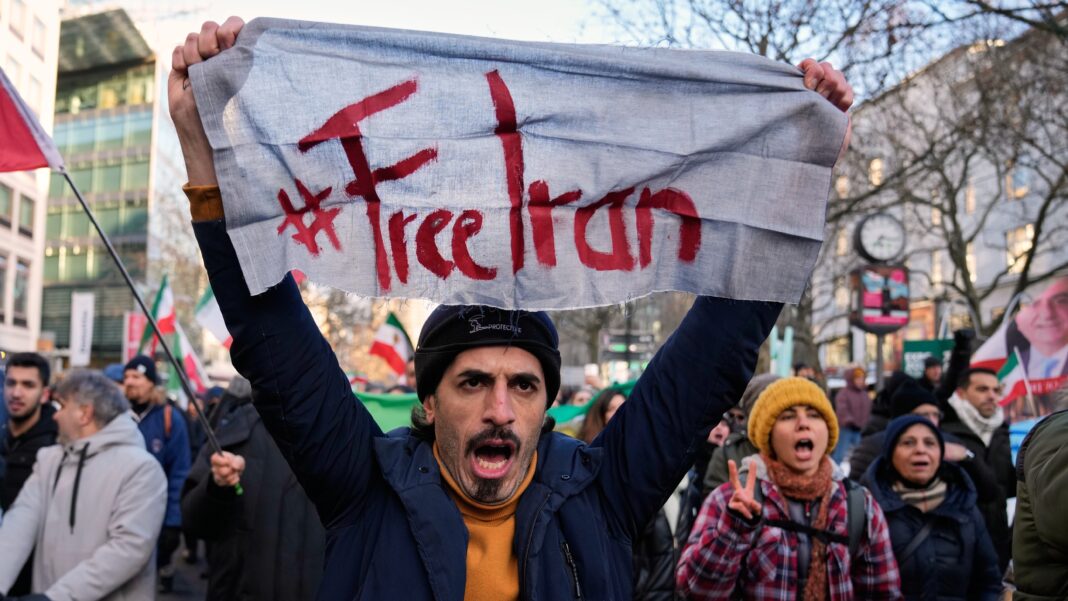
The Islamic Republic of Iran has issued stern warnings that it would retaliate against the United States if Washington carries out military action, amid one of the deadliest protest movements in the country’s recent history. The warning comes as nationwide demonstrations continue to escalate and reports suggest that hundreds of people have been killed in clashes between protesters and security forces.
Deadly Protests Sweeping Iran
What began in late December as demonstrations over economic hardship and a deepening currency crisis has morphed into widespread anti-government protests. Activists and rights groups say the unrest has now spread across much of Iran, driven not only by financial hardship but by broader frustration with the ruling clerical establishment.
The death toll has surpassed 500 people, with both protesters and some security personnel among the fatalities. Tens of thousands of people have been detained as authorities continue a fierce crackdown on dissent. Communications disruptions, including internet and phone blackouts, have made independent verification of casualty figures difficult, but rights groups report mounting evidence of large numbers of deaths and mass arrests.
U.S. Response and Trump’s Comments
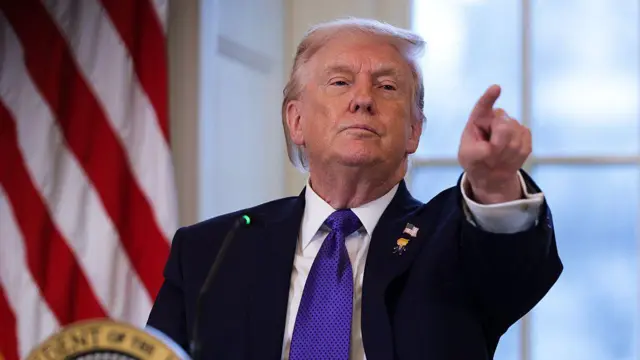
Amid the turmoil, U.S. President Donald Trump and senior U.S. officials have publicly expressed concern over the violence and said they are reviewing options in response to the crisis inside Iran. These discussions reportedly include a range of diplomatic and military options, though no formal action has been taken so far.
Trump has also signaled support for protesters, saying the United States “stands ready to help,” underscoring Washington’s interest in how the situation unfolds. At the same time, U.S. leaders are said to be weighing the risks of unilateral action, including whether military strikes — even symbolic ones — could impact the unrest and regional stability.
Iran’s Warning of Retaliation
Iran’s government has responded sharply to the possibility of U.S. military intervention, warning that any attack would be met with retaliation. Officials have indicated that not only U.S. forces but also allied military infrastructure and interests in the region could be considered legitimate targets in the event of a strike.
Iranian parliamentary leaders and senior officials have publicly stated that they would view any external military strike as an act of aggression and would respond accordingly, including by targeting U.S. and allied assets in the Middle East. These threats have escalated fears of a broader conflict if tensions continue to rise.
How the Crisis Escalated
The protests were initially triggered by economic grievances, including soaring inflation, high living costs, and a plummeting national currency. As demonstrations spread, calls expanded from economic reform to broader political demands, including challenges to the authority of Iran’s clerical leadership.
Authorities responded with a heavy security presence, curfews in major cities, lethal force, and an information blackout intended to limit external awareness of events. The crackdown has drawn international condemnation and widespread concern about human rights abuses.
Regional Implications
The warnings of retaliation heighten the risk of regional escalation. Iran’s threats have referenced potential actions against not only the United States but also U.S. allies in the region. Such dynamics could widen tensions and draw in other states, particularly if Washington were to consider military options as part of its response.
At the same time, U.S. and allied powers are cautious about becoming directly involved in a confrontation that could further inflame already tense U.S.–Iran relations. The balance between supporting protesters and avoiding a wider war remains a key challenge for policymakers.
International Reaction and Humanitarian Concerns
International leaders and human rights organizations have called for restraint by all parties. The United Nations and several countries have urged Iranian authorities to respect freedom of expression and to allow peaceful protest without deadly force. There are growing concerns about detentions, allegations of excessive force, and the impact of connectivity blackouts on the ability of civilians to communicate and receive assistance.
Worldwide demonstrations have also taken place in solidarity with Iranian protesters, reflecting global concern over the scale of violence and the call for democratic reforms.
Why This Matters
The situation in Iran is significant on multiple levels:
-
Domestic stability: The protests represent one of the most intense challenges to Iranian authorities in decades.
-
Human rights: Reports of widespread killings and mass detentions have raised alarm among global rights groups.
-
Geopolitics: U.S.–Iran tensions could escalate rapidly if military options are pursued and met with retaliation.
-
Regional security: Any conflict involving Iran could affect neighboring countries and global energy markets.
At its core, the crisis reflects deep social, economic, and political fractures within Iran — and the delicate position of international actors who may be tempted to intervene yet risk provoking a larger confrontation.