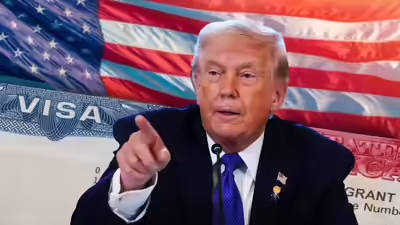

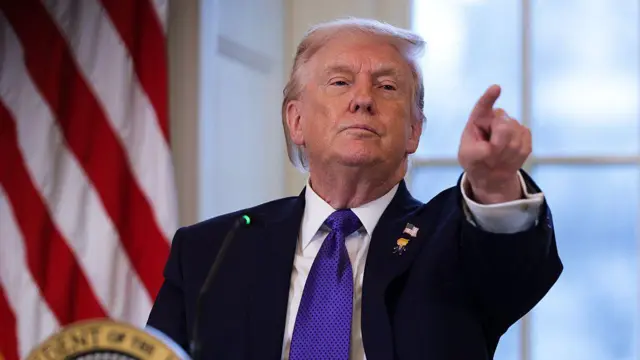
In a major escalation of economic pressure tied to foreign policy, Donald Trump announced that the **United States will impose a 25% tariff on any country that conducts business with **Iran as part of its broader strategy with Iran, extending consequences not just to Tehran but to other nations that maintain commercial ties with the country.
What Trump Announced
Trump’s post said that any country doing business with Iran will face a 25% tariff on trade with the United States, effective immediately. He described the order as “final and conclusive,” though details about the legal basis, specific sectors affected, and exact mechanics of enforcement were not included in the announcement.
The move comes during a period of increasing pressure on Iran — which has been beset by nationwide protests and violent crackdowns that have drawn international condemnation — and reflects a strategy of leveraging U.S. trade power to influence foreign governments indirectly.
Why This Matters
A New Layer of Economic Pressure
Instead of targeting just Iran with sanctions or tariffs, the policy extends economic consequences to third-party nations that maintain trade relations with Tehran. This is a more aggressive form of economic coercion meant to isolate Iran further by pushing its partners to choose between profitable relations with Tehran or risk costly tariffs from the world’s largest economy.
Global Trade Impact
Major global economies such as China, India, Turkey, and the United Arab Emirates — historically among Iran’s most significant trading partners — could be affected if they continue commercial engagements with Iran. The tariffs apply to trade conducted with the U.S., which may compound existing duties and reshape trade flows.
Possible Geopolitical Motivations
Pressure on Tehran
The broader context of the tariff is tied to growing unrest inside Iran and the U.S. response to that crisis. By squeezing Iran’s external economic relationships, the U.S. aims to apply pressure on the Iranian government to moderate its actions in the face of widespread protests and international scrutiny.
Signaling to Other Nations
By threatening economic penalties on third countries, Trump is signaling to key international actors that continued business with Iran could have consequences beyond diplomatic friction — potentially influencing alliances, trade decisions, and geopolitical alignments.
Reactions and Risks
International Concerns
Countries affected by the announcement may view it as an overreach of U.S. economic power and a punitive measure that interferes with sovereign economic policies. Nations like China and India could face difficult decisions balancing their trade interests with Iran against the potential economic fallout of higher tariffs on their exports to the U.S.
Trade and Diplomatic Friction
The policy has the potential to strain relations with governments that have long-standing economic and strategic ties with Iran. Some analysts warn that such an expansive tariff regime could disrupt global trade networks and invite diplomatic pushback or retaliation.
Domestic and Legal Ambiguities
With limited official documentation accompanying the announcement, questions remain about how the tariff will be legally justified and implemented. Ambiguities over its scope and enforcement raise uncertainty among traders and policymakers alike.
How It Could Work Practically
Tariffs of this nature would typically mean that U.S. importers of goods from countries engaged in trade with Iran would pay an additional 25% duty. This could increase costs for both American businesses and consumers and could lead global companies to rethink supply chains and market strategies.
What Happens Next
As this policy begins to take effect:
-
Governments will likely assess their economic exposure and reevaluate trade with Iran.
-
Diplomatic efforts may intensify as countries seek exemptions or negotiate changes to avoid the tariffs.
-
The U.S. will monitor how nations react and may use additional tools — trade, sanctions, or diplomatic incentives — to encourage compliance with the new policy.
Effectively, this tariff order expands economic pressure on Iran beyond the confines of direct sanctions, creating a broader zone of influence in which the United States uses its market access as leverage.
Final Thoughts
This 25% tariff announcement illustrates how trade policy and foreign policy are increasingly intertwined. By imposing consequences not only on a sanctioned state but on its trading partners, the United States is taking an aggressive stance in its attempt to shape global behavior. Whether this approach will achieve its intended diplomatic outcomes or trigger unintended economic ripple effects remains uncertain — but its implications stretch far beyond Tehran.