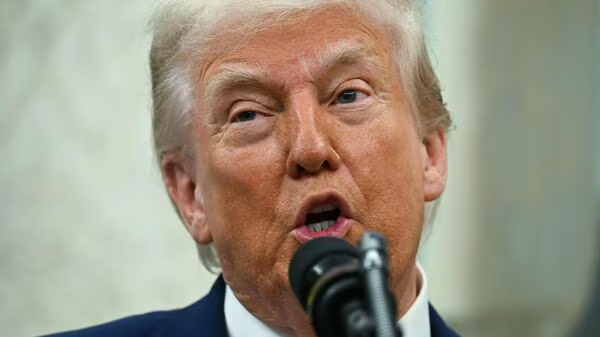

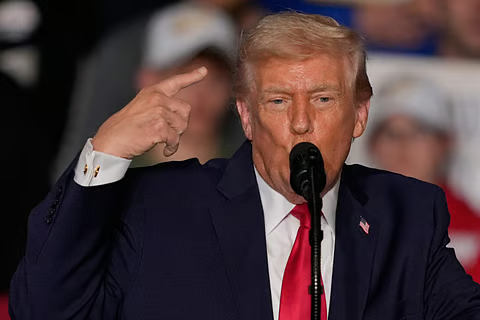
President Donald Trump has escalated pressure on **Iran as the **** has significantly increased its military presence in the Gulf region.
In a series of public statements and social media posts, Trump urged Iran’s leadership to return to negotiations on a nuclear agreement that would prevent the development or acquisition of nuclear weapons. He framed the situation as urgent and suggested that failure to strike a deal could prompt a more severe U.S. military response.
A Massive U.S. Naval Build-Up
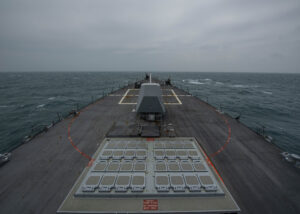
The warning comes against the backdrop of a major U.S. military buildup in the Gulf and broader Middle East. A substantial American naval presence — including a carrier strike group led by the USS Abraham Lincoln — has been moved into the region at Trump’s direction. Officials describe the deployment as larger than recent operations and emphasize its readiness to act, even as diplomats say a final decision on military strikes has not been made.
Trump has portrayed the armada and accompanying forces as both a deterrent and a means to push Tehran back to the negotiating table on terms favorable to U.S. interests.
Trump’s Diplomatic Message
While doubling down on the military threat, Trump has also publicly stated that he is still open to diplomacy. He has called for Iran to “come to the table” and to negotiate a “fair and equitable deal” that would include banning nuclear weapons development — a key U.S. demand. The president has repeatedly emphasized that negotiations need to happen quickly, warning that opportunities for peaceful resolution are shrinking.
This mixed message — blending diplomacy with a clear buildup of force — is intended to pressure Tehran into action while leaving room for a negotiated settlement.
Iran’s Response
Iranian officials have rejected negotiations under coercive pressure. Tehran’s diplomatic mission and foreign ministry have repeatedly insisted that any deal must be pursued on terms of mutual respect, not under threat of force. Iranian leaders have also warned that they would defend their nation robustly if provoked, and have described U.S. military buildup as provocative.
Iran maintains that its nuclear program is peaceful and that the United States should abandon threats and “excessive demands” if any talks are to succeed.
Regional and Global Stakes
The tensions come at a volatile moment. Iran has experienced significant internal unrest, and worries about its nuclear ambitions have drawn global attention. Meanwhile, neighboring states and strategic partners are watching closely, with some cautioning against further escalation that could lead to broader conflict.
The presence of U.S. forces in the Gulf also reflects broader concerns about stability in the Middle East and the protection of international shipping lanes, energy infrastructure, and allied interests.
Why This Matters
Trump’s statements and the military buildup illustrate a dual-track strategy:
-
Diplomatic pressure to force Iran back to nuclear negotiations
-
Military readiness to act if talks fail or are rejected
This approach reflects long-standing U.S. goals of preventing a nuclear-armed Iran, while also signaling that the window for peaceful resolution may be closing.
As events continue to unfold, the situation remains dynamic: both the diplomatic and military dimensions are likely to evolve in the days and weeks ahead.