

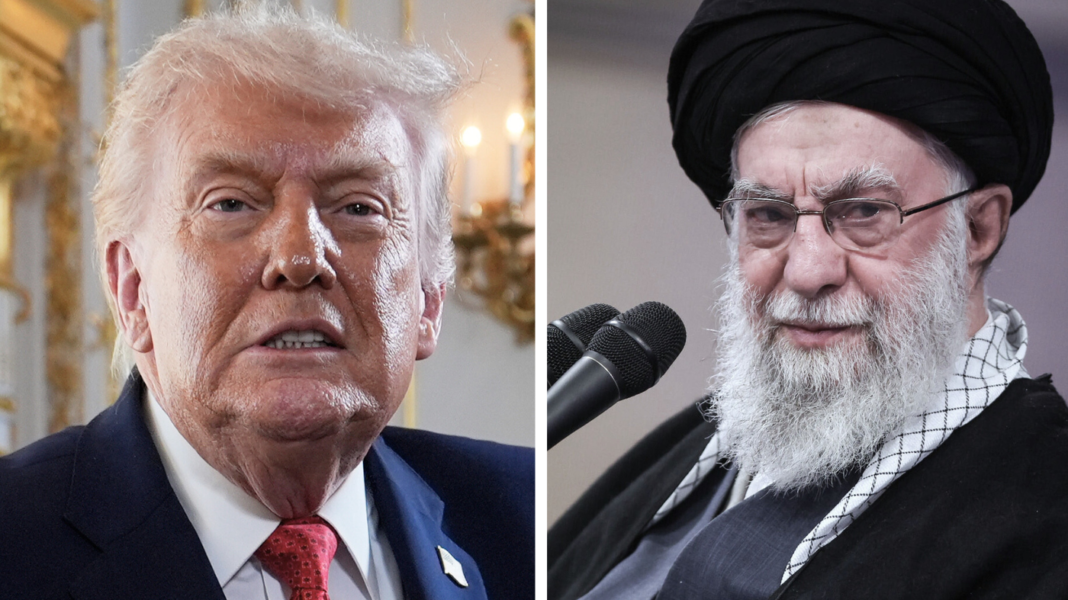
Iran’s Supreme Leader Ayatollah Ali Khamenei has issued a stark warning that any U.S. military attack on Iran would trigger a wider regional war, sharply escalating rhetoric amid rising tensions between Tehran and Washington.
The comments underline Iran’s readiness to respond beyond its borders and signal that any confrontation would not remain a limited or isolated conflict.
A Direct Warning to Washington
In his remarks, Khamenei said that an attack on Iran would not only fail to weaken the country but would instead ignite instability across the Middle East. He warned that U.S. interests, allies, and military positions throughout the region would be exposed to retaliation.
The message was clear: Iran would not fight alone, and any aggression would have consequences far beyond its territory.
What Iran Means by ‘Regional War’
Iran’s leadership has long argued that conflict with Tehran would quickly expand due to:
-
Allied armed groups across the Middle East
-
Strategic waterways such as the Strait of Hormuz
-
U.S. military bases in the region
-
Existing regional flashpoints
By invoking a regional war, Iran is signaling that escalation would involve multiple fronts rather than a direct bilateral clash.
Rising Tensions With the United States
The warning comes as relations between Iran and the United States continue to deteriorate. Recent developments — including military deployments, sanctions pressure, and nuclear deal disputes — have pushed the relationship closer to open confrontation.
Both sides have used increasingly forceful language, with Washington emphasizing deterrence and Tehran stressing retaliation.
Iran’s Deterrence Strategy
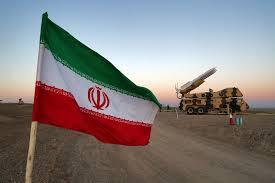
Iran’s leadership frames its stance as defensive rather than aggressive. Khamenei emphasized that Iran does not seek war, but will respond decisively if attacked. This approach is central to Iran’s deterrence strategy, aimed at making the cost of conflict appear unacceptably high for its adversaries.
By highlighting regional consequences, Tehran hopes to discourage military action before it occurs.
Implications for the Middle East
A broader conflict would have serious consequences for the region, including:
-
Threats to energy supplies and shipping routes
-
Escalation involving regional militias and allies
-
Economic instability and market shocks
-
Heightened risks for civilians
Regional governments are watching closely, concerned that even a limited strike could spiral rapidly.
Global Reactions and Concerns
The warning has intensified international concerns about miscalculation. With military forces on high alert and diplomatic channels strained, the margin for error is shrinking.
Analysts note that such rhetoric increases pressure on all sides to avoid actions that could be interpreted as provocation — especially in an already volatile environment.
Why This Moment Matters
Iran’s message reflects a critical phase in Middle East geopolitics, where deterrence, diplomacy, and military signaling are colliding. The statement serves as both a warning and a reminder that regional security is deeply interconnected.
Any decision taken by Washington or Tehran now could reshape the balance of power and stability across the region.
Final Take
By warning that a U.S. attack would spark a regional war, Iran’s supreme leader is drawing a red line — one intended to deter confrontation by raising the stakes dramatically.
Whether this message succeeds in preventing escalation or further hardens positions remains uncertain. What is clear is that the risk of a wider conflict is now firmly part of the global conversation.