
Russia’s military losses in Ukraine are accelerating at a rate not seen before in the nearly four-year conflict, according to assessments by military analysts and battlefield reports. The sharp increase in casualties and equipment losses has coincided with renewed diplomatic pressure from the United States to advance a comprehensive peace deal — a dynamic that is reshaping both the tactical and political landscape of the war.
Rising Russian Casualties and Equipment Losses
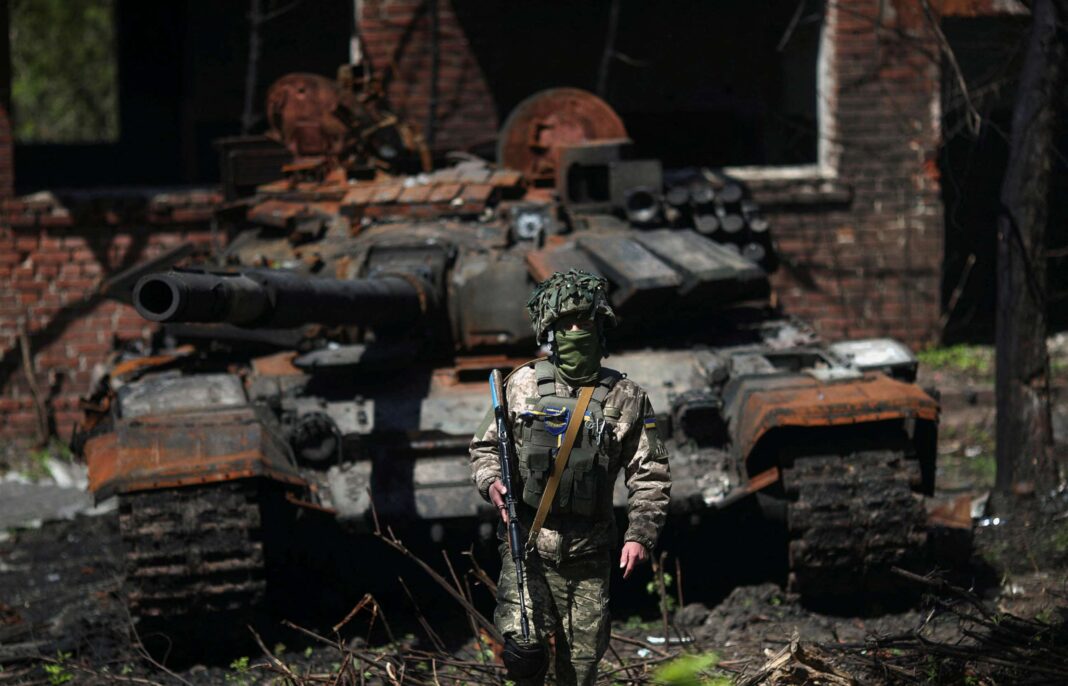
Recent months have seen an unusual surge in Russia’s losses along multiple fronts in Ukraine. These include both personnel casualties and the destruction or capture of military equipment such as tanks, artillery, and armored vehicles. Analysts attribute the rising toll to intensified Ukrainian counter-offensive operations, growing proficiency in battlefield tactics, and increased Western military support that has improved the capabilities of Ukrainian forces.
The scale of losses is putting significant strain on Russian military units, affecting morale and operational effectiveness. Some reports from the front indicate that entire units have been forced to withdraw or regroup after sustaining heavy damage.
Why Losses Are Growing Faster Now
Several factors contribute to the recent spike in Russian losses:
Enhanced Ukrainian Capabilities
Ukraine’s armed forces have expanded and modernized over time, incorporating sophisticated Western-supplied weaponry, improved intelligence sharing, and enhanced training for troops. These upgrades have allowed Ukraine to conduct more effective offensive operations, exerting pressure across multiple contested areas.
Strategic Shifts on the Battlefield
Tactical changes, including more focused attacks on supply lines and command centers, have increased the vulnerability of Russian forces. Improved reconnaissance and targeting have enabled Ukrainian units to exploit weak points in Russian defensive positions.
Increased International Support
Sustained support from Western allies — particularly in advanced weapons systems and tactical support — has played a crucial role in shifting battlefield momentum. The availability of precision arms and enhanced logistics has allowed Ukrainian forces to sustain operations at a higher tempo.
Impact on Russia’s Military and Politics
The rising losses are not just a battlefield concern; they have wider implications for Russia’s military and political environment:
-
Morale and Force Readiness: High casualty rates and equipment depletion can weaken troop morale and reduce the overall combat effectiveness of Russian units.
-
Recruitment and Retention: The need to replace losses places additional pressure on recruitment efforts and may force changes in Russia’s personnel policies.
-
Domestic Perception: Public awareness of heavy losses can influence domestic opinion and political support for the war effort.
These dynamics create challenges for Moscow as it seeks to maintain cohesion and effectiveness across multiple operational theaters.
U.S. Push for a Negotiated Peace
Amid the intensifying conflict and mounting losses, the United States has escalated diplomatic efforts to secure a negotiated peace agreement between Ukraine and Russia. U.S. officials have been working closely with Ukrainian leaders to refine a peace framework that addresses key issues such as ceasefire arrangements, territorial integrity, and security guarantees.
The push for a peace deal reflects a recognition that prolonged conflict carries severe costs — not just for combatants, but for civilians, economies, and regional stability. U.S. diplomacy aims to bring both sides to the negotiating table with incentives for compromise and phased steps toward de-escalation.
Key Goals of the Peace Initiative
Ceasefire and Reduction in Hostilities
A central objective is securing a sustained ceasefire that would stop active fighting and prevent further loss of life. Such an agreement would be a first step toward broader negotiations on political and territorial questions.
Security Guarantees
Ensuring long-term security assurances for Ukraine is a pillar of the peace talks. These commitments would involve international partners and aim to deter future aggression after any formal settlement.
Territorial Resolutions
Negotiations also focus on how to address contested territory — a sensitive issue that has stalled previous peace efforts. Creative approaches and compromises are being explored to find durable solutions that respect Ukraine’s sovereignty while addressing security concerns.
Challenges Ahead
Despite the diplomatic push, significant hurdles remain on the path to peace:
-
Mutual Distrust: Deep mistrust between Kyiv and Moscow complicates efforts to build confidence and establish enforceable commitments.
-
Domestic Politics: Hardline elements on both sides resist concessions, arguing that any perceived weakness could embolden the opponent.
-
Verification Mechanisms: Ensuring compliance with ceasefire terms and disarmament protocols requires robust monitoring systems that both parties trust.
These obstacles underscore how difficult it will be to transform battlefield dynamics into lasting peace.
What This Means for the Future
The intersection of rising Russian losses and intensified U.S. diplomacy could be a defining moment in the Ukraine conflict. If military dynamics continue to shift and diplomatic pressure succeeds, a negotiated peace — once thought distant — may become more attainable.
However, the path ahead is far from certain. Progress toward a durable peace deal will require sustained negotiation, clear security frameworks, and international cooperation to support post-conflict recovery and stability.