
U.S. President Donald Trump has publicly downplayed recent Chinese military drills near Taiwan, describing the situation as “no worries” and urging calm amid rising regional tensions. His comments come at a time when military activity in the Taiwan Strait and surrounding waters has intensified, prompting concern from allies and analysts about stability in the Indo-Pacific region.
What’s Happening in the Taiwan Region
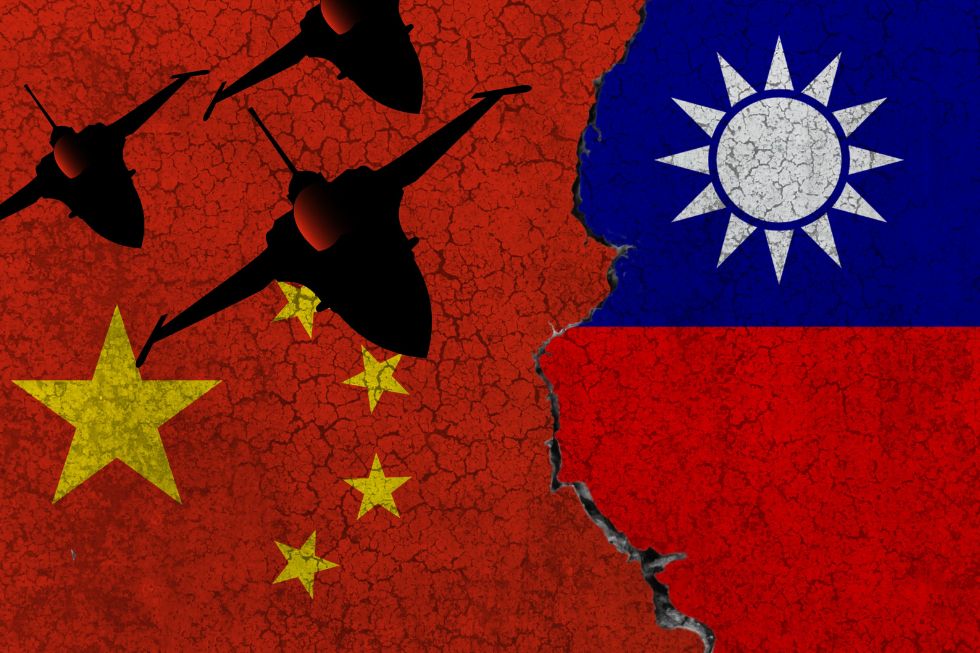
China has been conducting large-scale military exercises and drills around Taiwan’s airspace and territorial waters, involving fighter jets, warships, and long-range missile deployments. These drills are part of a broader show of force by Beijing that analysts say aims to pressure Taiwan and signal China’s readiness to respond to perceived threats to its sovereignty claims.
Taiwan’s government has denounced the drills as provocative and destabilizing, accusing Beijing of undermining peace and security in the region. In response, Taipei has scrambled military aircraft, increased naval patrols, and reiterated its commitment to self-defense.
Trump’s Response: “No Worries”
In public remarks, Trump sought to reassure international audiences, saying that the situation around Taiwan did not warrant panic. He emphasized that diplomatic channels were open and that the United States — while monitoring the situation closely — was not alarmed by the drills.
Trump’s tone contrasted with some more cautionary statements from other officials and experts who see China’s actions as part of a pattern of increased military assertiveness in the region. By using phrases like “no worries,” he aimed to reduce the perception of threat while signaling confidence in U.S. and allied capabilities.
Why This Matters
Regional Security Dynamics
The Taiwan Strait is one of the most sensitive flashpoints in global geopolitics, where the interests of the United States, China, and regional allies intersect. Military drills around Taiwan elevate concerns about accidental confrontations or deliberate escalation.
U.S.–China Relations
Trump’s comments reflect a broader approach to U.S.–China relations that seeks to balance toughness with diplomacy. While the United States maintains commitments to Taiwan’s security under long-standing policy frameworks, Trump’s reassurance suggests a desire to avoid public alarm that could inflame market reactions or political tensions.
Allied Reassurance
Asian allies such as Japan, South Korea, and members of the Association of Southeast Asian Nations (ASEAN) monitor the situation closely. They rely on U.S. strategic leadership to deter conflict and maintain freedom of navigation in key maritime routes.
Diplomatic and Military Context
China views Taiwan as a breakaway province that must eventually be reunified with the mainland, by force if necessary. Taiwan, for its part, rejects such claims and operates as a self-governing democracy. This fundamental dispute underpins decades of tension and periodic military posturing.
Recent drills reflect China’s response to:
-
Increased political engagement between Taiwan and Western nations
-
High-profile visits by foreign officials
-
Expanded arms sales and security cooperation involving Taiwan
These factors have been cited by Beijing as provocations that justify robust military exercises.
What Trump Is Trying to Signal
By characterizing the situation as manageable, Trump appears to be signaling:
-
Confidence in diplomatic engagement
-
Support for stability over escalation
-
Assurance to markets and international partners
His remarks may also be aimed at calming public fears and reinforcing that the U.S. defense posture in the region remains solid.
What Comes Next
The situation remains dynamic. Military activity around Taiwan is expected to continue as China maintains high readiness levels and Taiwan bolsters its defenses. Key developments to watch include:
-
Future Chinese air and naval patrols
-
U.S. naval transits through the Taiwan Strait
-
Diplomatic engagements between Taiwan and other governments
-
Missile tests and military drills in response to regional events
While Trump’s remarks seek to defuse concern, analysts caution that underlying strategic competition between major powers means that vigilance and clear communication will be critical in managing tensions.
Why This Matters Globally
Tensions over Taiwan have implications for:
-
Global supply chains (especially semiconductors)
-
International norms on sovereignty and self-determination
-
Defense alliances and military partnerships
-
Economic confidence in markets tied to Asia
The way leaders publicly frame developments — whether with urgency or reassurance — can influence not just diplomatic relationships but investor sentiment and public perception on multiple continents.