
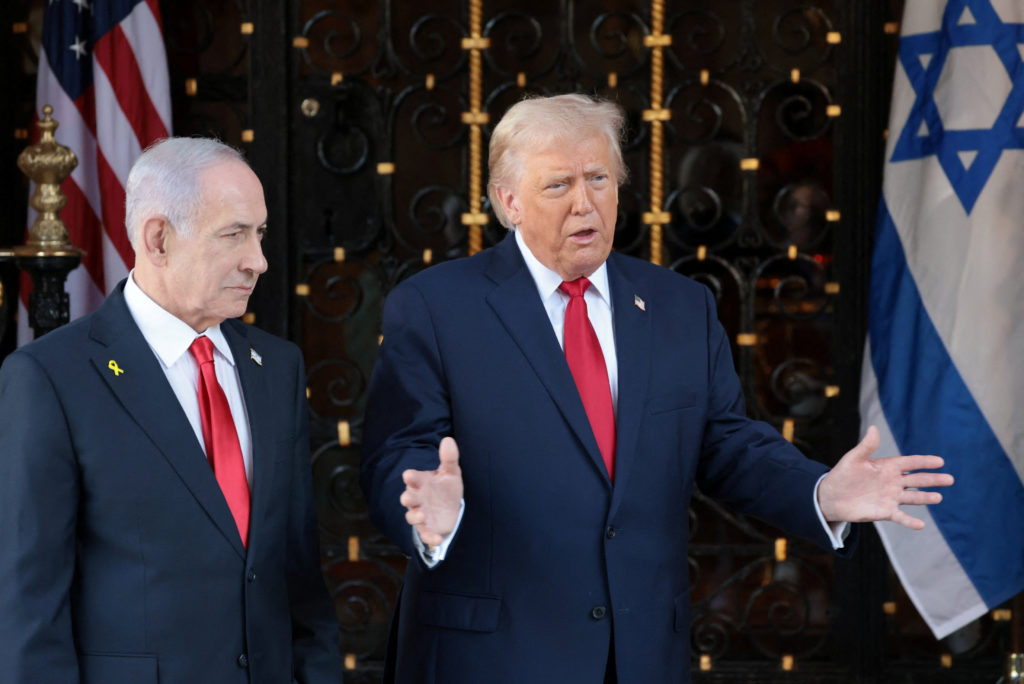
U.S. President Donald Trump has said he hopes negotiations can move “very quickly” into phase two of the Gaza ceasefire, signaling renewed momentum in efforts to stabilize the region after prolonged conflict. His remarks come amid intensified diplomatic engagement focused on transitioning from a fragile pause in fighting to longer-term security and reconstruction arrangements.
What Trump Is Pushing For
Trump indicated that the initial phase of the ceasefire has created an opening for deeper progress and that the next stage should not be delayed unnecessarily. According to him, the objective is to move beyond temporary calm and toward a more durable framework that addresses security, governance, and humanitarian needs in Gaza.
He emphasized urgency, suggesting that extended delays could risk undoing gains made during the first phase of the ceasefire.

What Phase Two Is Expected to Include
Security and Demilitarization
A core element of phase two involves addressing armed groups in Gaza. Discussions center on reducing militant capabilities and establishing mechanisms that prevent renewed violence, while ensuring civilian safety.
Humanitarian Expansion
Phase two is also expected to significantly expand humanitarian access, including:
-
Increased aid delivery
-
Restoration of essential services
-
Medical and food assistance
The aim is to stabilize daily life for civilians while political and security arrangements are negotiated.
Reconstruction and Governance
Longer-term rebuilding of Gaza’s infrastructure — homes, utilities, and public institutions — is another pillar of the second phase. Transitional governance arrangements are being discussed to manage Gaza during the reconstruction period.
Why Progress Has Been Difficult
Despite optimism, advancing to phase two remains complex. Key challenges include:
-
Disagreements over disarmament timelines
-
Concerns about enforcement and monitoring
-
Questions over who will oversee security and governance
These unresolved issues have slowed the transition and required careful diplomatic balancing.
Why Trump’s Comments Matter
Trump’s statement reflects a push to maintain pressure on all parties to capitalize on the ceasefire window. His involvement and public optimism are intended to signal leadership engagement and encourage faster decision-making.
Supporters argue that momentum is crucial, while critics warn that rushing could undermine fragile agreements if unresolved issues are not carefully addressed.
Humanitarian Stakes in Gaza
Conditions in Gaza remain severe after months of conflict. Aid groups and international actors stress that delays in moving to phase two directly affect civilians who rely on sustained humanitarian access and reconstruction efforts.
Trump acknowledged these concerns, suggesting that some rebuilding efforts should begin in parallel with diplomatic negotiations rather than waiting for a fully finalized agreement.
What Comes Next
Diplomatic talks are expected to continue in the coming weeks, focusing on:
-
Finalizing security guarantees
-
Establishing oversight mechanisms
-
Securing funding and international support for reconstruction
Whether phase two can begin “very quickly,” as Trump hopes, will depend on breakthroughs in these areas.
Why This Is a Turning Point
If phase two of the ceasefire moves forward, it could mark a shift from crisis management to long-term stabilization in Gaza. Success would reduce the risk of renewed fighting and open the door to reconstruction and political transition after years of instability.
For now, Trump’s message is clear: the window for progress is open, and delaying action could carry serious consequences for peace efforts in the region.