

WASHINGTON, D.C. — Former U.S. President Donald Trump announced a major shift in U.S.–Venezuela energy relations Tuesday, saying that Venezuela’s interim authorities will transfer between 30 million and 50 million barrels of oil to the United States.
Trump framed the move as part of a broader strategy to benefit both countries by unlocking oil supplies that have been tied up under a U.S.-imposed blockade and sanctions regime. He said the barrels would be sold at market prices and that the proceeds would be held under U.S. supervision, with the intention of using the funds in ways that support both Venezuelan citizens and American interests.
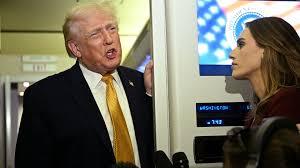
According to Trump’s remarks, the oil currently remains in storage because of the export restrictions that were part of U.S. pressure on Venezuela’s former government. Transferring this stock to the United States, he said, would give American refineries access to much-needed crude while easing Venezuela’s storage bottlenecks.
What the Oil Transfer Could Mean
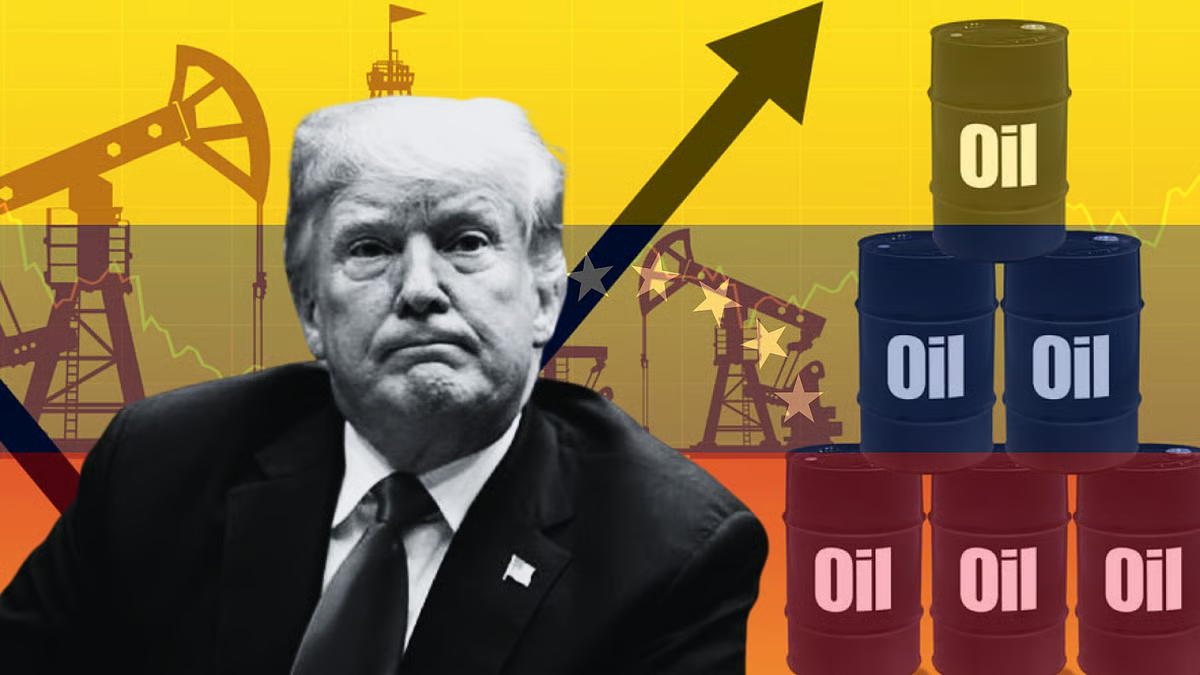
The scale of the transfer — up to 50 million barrels of oil — reflects a significant volume relative to Venezuela’s current production and export capacity. While that amount is small compared with daily global consumption, which exceeds 100 million barrels a day, it represents a notable change in supply dynamics and could have ripple effects in energy markets.
In response to the announcement, U.S. oil prices dipped, with traders interpreting the news as adding potential supply to global markets and relieving some tightness in crude availability.
How It Could Work Practically
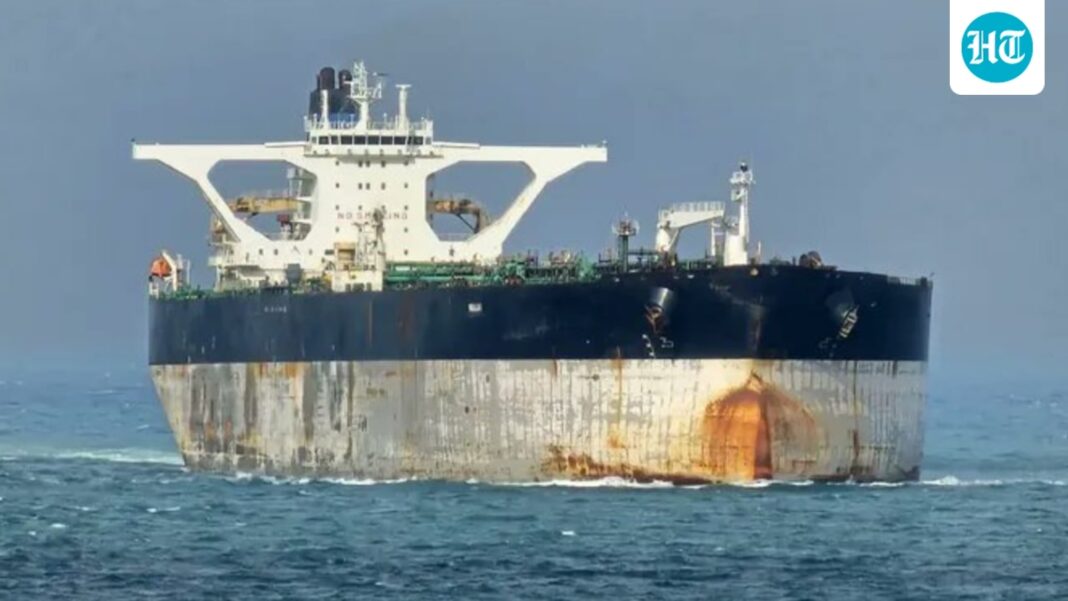
Under the plan outlined by Trump, oil would be brought from Venezuelan storage facilities via tankers directly to U.S. ports. Once in American hands, the oil could either go to refineries for processing or be sold on the open market.
Trump said he had asked the U.S. Energy Secretary to implement the oil transfer “immediately,” signaling urgency in execution.
The Broader Strategic Context
This announcement comes amid dramatic geopolitical shifts involving Venezuela. The country’s political leadership has recently changed amid external pressure, and the interim government in Caracas appears to be engaging with the United States on new terms — including energy cooperation.
Trump’s statement also stressed that he would personally oversee how the proceeds from oil sales are used, a comment that underscores both his confidence in directing the plan and its political significance.
Reactions and Risks
Not everyone sees the move as positive. Some analysts warn that moving Venezuelan oil under U.S. control could deepen tensions with global partners and antagonize buyers such as China that previously relied on Venezuelan crude. Others see the plan as potentially boosting U.S. energy supplies in the short term, even though Venezuela’s long-term production capacity has been hampered by years of underinvestment and sanctions.
Venezuelan officials outside the interim authority have pushed back publicly on U.S. actions, and anti-U.S. demonstrations have occurred, suggesting the transfer deal could have internal political ramifications.
Venezuela’s Oil Industry Today
Venezuela still holds one of the largest oil reserves in the world, but production has fallen dramatically from its historic highs due to economic mismanagement, infrastructure decay, and sanctions. Reviving the sector will likely require substantial investment and political stability, factors that remain uncertain as the country navigates its current transition.
For now, the planned transfer of tens of millions of barrels to the U.S. stands as a highly visible and controversial step in that direction — one that could reshape energy flows and diplomatic relations in the Americas.
What Comes Next
In the coming days and weeks:
-
U.S. officials will begin logistical planning to move the oil
-
Meetings with American energy companies are expected to discuss infrastructure and refinery integration
-
Global oil markets will continue to react to supply signals
-
Political responses in Venezuela and abroad will shape the broader diplomatic environment
As this story continues to develop, the implications for energy markets, international relations, and Venezuela’s economy will remain under close watch worldwide.