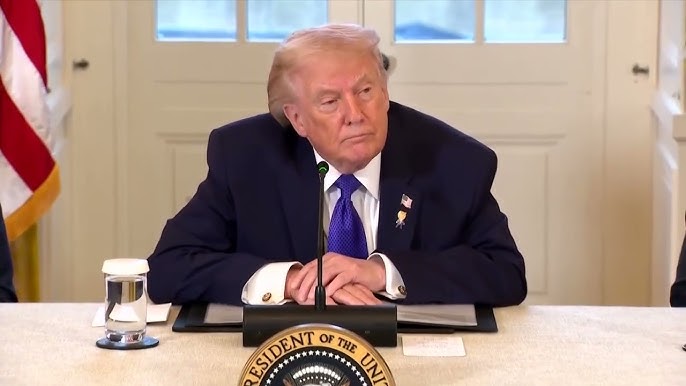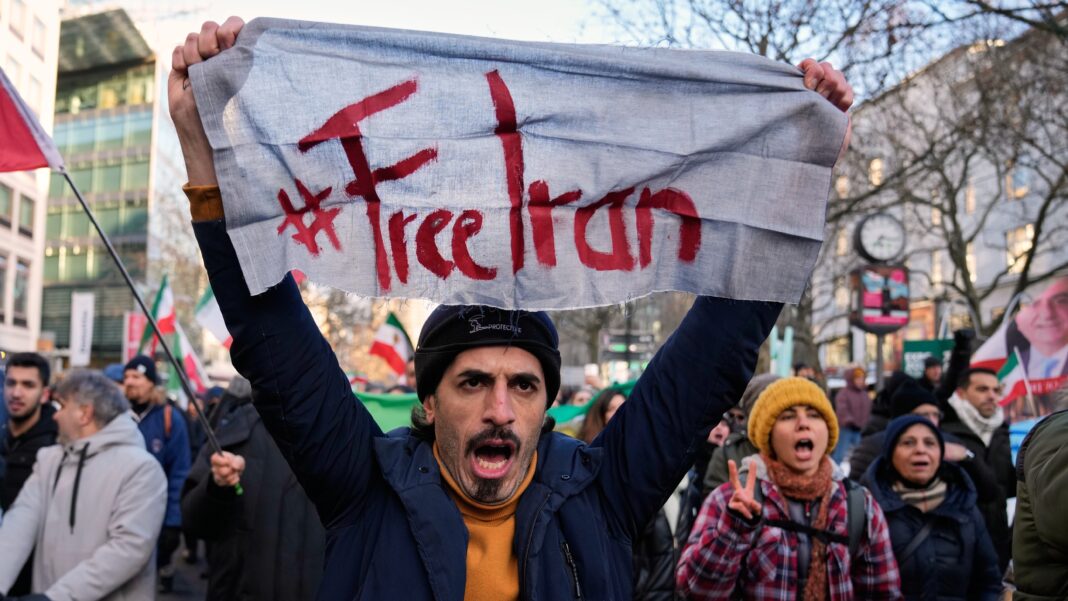

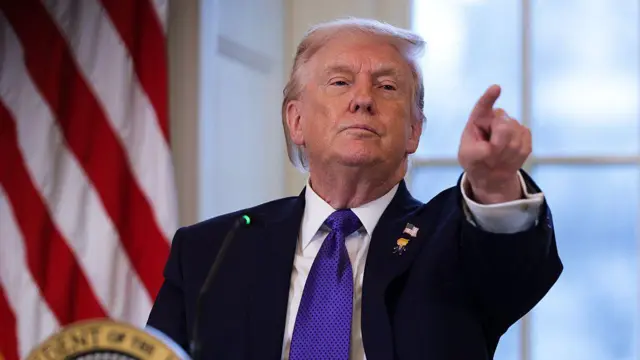
Former U.S. President Donald Trump has issued a sharp warning to Cuba, urging its leadership to “make a deal before it is too late” as tensions between Washington and Havana once again move into the spotlight.
The comments signal a possible shift toward renewed pressure — and potential negotiation — in one of the longest-running geopolitical standoffs in modern history.
Trump’s Message to Havana
Trump framed his remarks as both a warning and an opportunity. He suggested that Cuba still has a narrow window to engage with the United States on terms that could ease economic pressure, but warned that continued resistance could result in harsher consequences.
While he did not outline a specific proposal, the language echoed Trump’s past negotiating style — applying public pressure to force engagement while keeping details deliberately vague.
Why Cuba Is Under Pressure Now
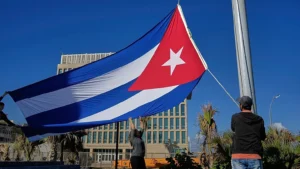
Cuba is facing one of the most difficult periods in its recent history, marked by:
-
Severe economic strain
-
Shortages of food, fuel, and medicine
-
Currency instability
-
Public frustration and sporadic unrest
Decades of sanctions, combined with internal economic challenges, have left the island increasingly vulnerable — a context that gives added weight to Trump’s warning.
A Familiar Strategy: Pressure First, Deal Later
Trump’s approach toward Cuba has historically emphasized maximum leverage before dialogue. During his presidency, his administration rolled back several engagement-era policies and tightened economic restrictions.
His latest statement suggests a continuation of that philosophy:
-
Increase pressure to force concessions
-
Signal openness to a deal without softening rhetoric
-
Frame negotiations as a last chance
Supporters argue this strategy extracts better terms. Critics warn it risks deepening hardship for ordinary citizens without guaranteeing reform.
What ‘Making a Deal’ Could Mean
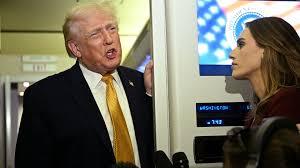
Although Trump did not provide details, analysts say a potential deal could involve:
-
Political or economic reforms
-
Changes in foreign policy alignment
-
Expanded access for U.S. businesses
-
Human rights or governance commitments
Any agreement would likely require reciprocal steps, but the power imbalance between the two countries would shape negotiations heavily.
Cuba–U.S. Relations: A Long Standoff

Relations between Washington and Havana have swung between confrontation and cautious engagement for over half a century. Periods of thaw have been followed by renewed hostility, creating deep mistrust on both sides.
Trump’s warning revives the language of confrontation, but the reference to a “deal” also implies that dialogue remains possible — if conditions change.
Regional and Global Implications
Cuba’s future matters beyond its borders:
-
Migration pressures affect the U.S. and neighboring states
-
Regional stability in the Caribbean is at stake
-
Global powers watch closely for shifts in alignment
Any major change in U.S.–Cuba relations could reshape regional dynamics and influence how other sanctioned states respond to American pressure.
How Havana May Respond
Cuban leaders have traditionally rejected public ultimatums, framing them as violations of sovereignty. However, mounting economic challenges could push Havana to quietly explore options, even if public rhetoric remains defiant.
Whether Cuba chooses confrontation or cautious engagement will depend on internal politics, public pressure, and the credibility of any proposed deal.
Why This Moment Matters
Trump’s statement underscores a broader reality: Cuba is at a crossroads. Economic hardship, public frustration, and external pressure are converging, narrowing the range of viable options.
By saying “before it is too late,” Trump is signaling that Washington believes time is no longer on Havana’s side — a message intended to force difficult decisions sooner rather than later.
Final Take
Trump’s call for Cuba to “make a deal” revives one of the most enduring rivalries in global politics. Whether it leads to negotiation or deeper confrontation remains uncertain, but the message is clear: the status quo is under renewed challenge.
As history has shown, when U.S.–Cuba relations shift, the effects ripple far beyond the island — shaping politics, migration, and diplomacy across the region.