

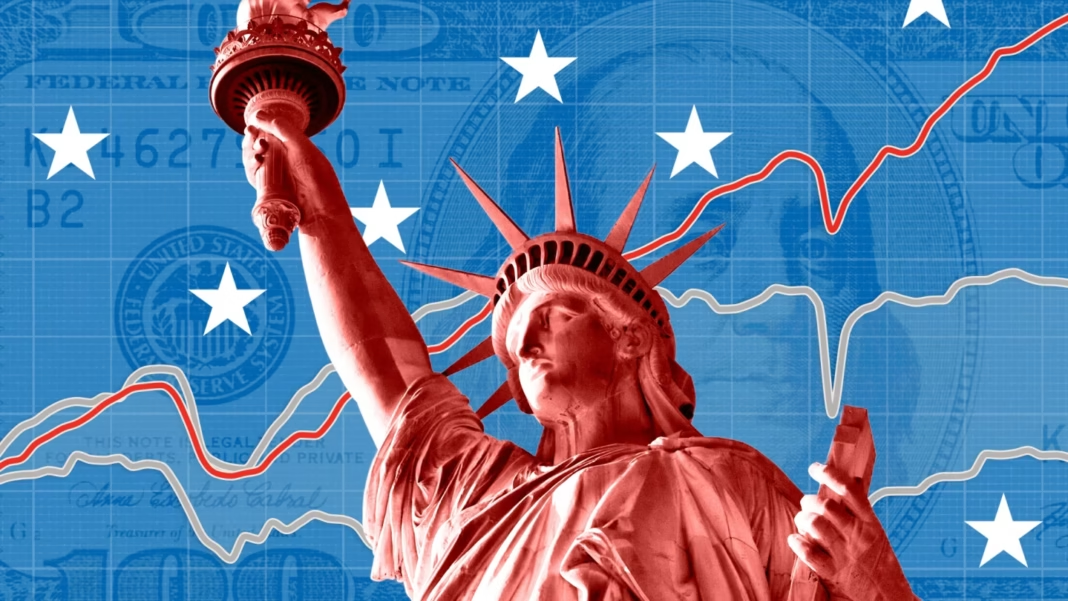
The U.S. economy delivered its strongest performance in two years after new economic data showed a sharp acceleration in growth, beating expectations and signaling resilience despite ongoing inflation and policy uncertainty. The expansion was fueled primarily by robust consumer spending and a rebound in exports, offering evidence that economic momentum remains intact, though not evenly distributed.
Growth Beats Forecasts
Economic output expanded at an annualized rate exceeding 4%, marking the fastest growth rate since 2023. The surge surprised analysts who had expected a more moderate increase, especially amid high interest rates and cautious consumer sentiment earlier in the year.
The data suggest that the economy has managed to absorb tighter financial conditions better than anticipated, maintaining demand even as borrowing costs remain elevated.
Consumers Drive the Expansion
Household spending emerged as the main engine of growth. Americans continued to spend on services such as healthcare, travel, and recreation, while demand for durable goods also improved. Wage growth and a still-solid labor market helped support consumption, even as savings levels declined.
Spending strength was particularly noticeable in higher-income households, which benefited from rising asset values and greater financial flexibility. Lower-income consumers, however, remained more sensitive to price pressures, highlighting widening economic divides.
Exports Make a Comeback
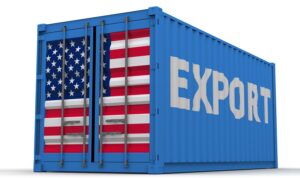
Exports provided a significant boost after lagging earlier in the year. Increased demand for U.S. goods abroad and a narrowing trade deficit added momentum to overall output. At the same time, imports slowed, further supporting growth figures.
This turnaround in trade contributed meaningfully to the headline number and helped offset weaker performance in some domestic investment categories.
Inflation Still Complicates the Picture
Despite strong growth, inflation remains above long-term comfort levels. Price pressures eased compared to earlier peaks but stayed persistent enough to influence monetary policy expectations. Core inflation measures continue to signal caution, especially in service sectors.
This creates a delicate balance: growth is strong, but inflation limits how quickly interest rates can be reduced.

Labor Market Shows Early Signs of Cooling
While employment remains relatively strong, hiring has slowed and unemployment has edged higher. This suggests that the economy may be expanding more through productivity and spending rather than rapid job creation.
For policymakers, this combination — solid growth with a gradually cooling labor market — presents a complex challenge.
An Uneven Recovery
Beneath the headline numbers lies an uneven economic reality. Wealthier households and large businesses have benefited more from the recovery, while many Americans continue to struggle with higher living costs and limited wage growth.
Consumer confidence surveys remain cautious, reflecting a disconnect between macroeconomic data and everyday experience.

What This Means Going Forward
The strong growth performance reduces immediate fears of an economic slowdown, but it does not eliminate long-term risks. Inflation, debt levels, and global uncertainty continue to shape the outlook.
For now, the U.S. economy has demonstrated resilience — expanding faster than expected and defying pessimistic forecasts. Whether this momentum can be sustained into the coming year will depend on how inflation evolves, how interest rates are managed, and how evenly growth reaches households across income levels.