

The United States has carried out a precision military airstrike against Islamic State-linked militants in northwest Nigeria, signaling a notable escalation in international counterterrorism efforts in West Africa. The operation comes amid rising militant violence in the region and reflects growing concern over the expansion of extremist networks beyond their traditional strongholds.
What Happened in Northwest Nigeria
The airstrike targeted militant positions in northwestern Nigeria, an area that has seen increasing attacks on civilians, local communities, and security forces. The strike focused on compounds believed to be used by Islamic State-affiliated fighters for planning and coordination.
Officials indicated that the operation was designed to disrupt leadership structures and operational capacity, rather than conduct broad-scale military action. The strike was described as precise and limited in scope.
Why the U.S. Carried Out the Strike
Rising Militant Threat
Islamic State-linked groups have expanded their presence in parts of northern and northwestern Nigeria, exploiting porous borders, weak governance, and long-standing security challenges. These groups have been linked to kidnappings, village raids, and attacks that have destabilized already-vulnerable regions.
Preventing Regional Spillover
Security analysts warn that unchecked militant activity in Nigeria could destabilize neighboring countries and strengthen extremist networks across the Sahel. The U.S. intervention reflects concern that Nigeria’s internal security crisis could become a wider regional threat.
Support for Counterterrorism Efforts
The strike forms part of broader international efforts to support local governments confronting extremist violence, particularly where militant groups demonstrate transnational ambitions.
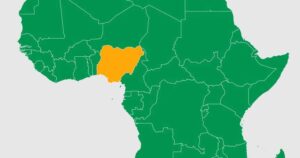
Nigeria’s Security Challenge
Nigeria faces a complex security landscape involving multiple armed groups, including insurgents, bandits, and extremist organizations. While Boko Haram and related factions have long operated in the northeast, northwest Nigeria has emerged as a new hotspot due to weak state presence and organized armed groups.
These overlapping threats have strained Nigerian security forces and contributed to displacement, economic disruption, and humanitarian concerns.
Implications for West Africa
Military Impact
The airstrike may temporarily weaken militant capabilities, particularly if senior operatives or logistical hubs were hit. However, experts caution that air operations alone are unlikely to eliminate entrenched extremist networks.
Political and Diplomatic Signals
The operation sends a clear signal that international actors are willing to intervene when militant groups threaten broader regional stability. It also underscores Nigeria’s strategic importance in West Africa’s security architecture.
Risk of Escalation
Some observers warn that foreign military involvement carries risks, including retaliation by militant groups or increased recruitment fueled by anti-foreign narratives.
Debate Over Effectiveness
Supporters argue that targeted airstrikes are necessary to prevent militants from consolidating power and launching larger attacks. Critics counter that long-term stability requires addressing root causes such as poverty, governance gaps, and local grievances.
There is growing consensus that military action must be paired with political reform, development initiatives, and community-based security efforts to achieve lasting peace.
What Happens Next
Security operations in northwest Nigeria are expected to continue, with increased surveillance and coordination between local and international partners. Nigerian authorities are likely to intensify ground operations to prevent militants from regrouping.
At the same time, humanitarian and development challenges remain critical, as prolonged insecurity has disrupted livelihoods and displaced communities across the region.
Why This Matters Globally
The U.S. airstrike highlights how extremist threats in Africa increasingly intersect with global security concerns. As militant groups adapt and spread, international responses are becoming more proactive and geographically diverse.
How Nigeria and its partners balance military pressure with long-term stabilization efforts will play a key role in determining whether northwest Nigeria becomes a contained front — or a prolonged battleground in the global fight against extremism.