
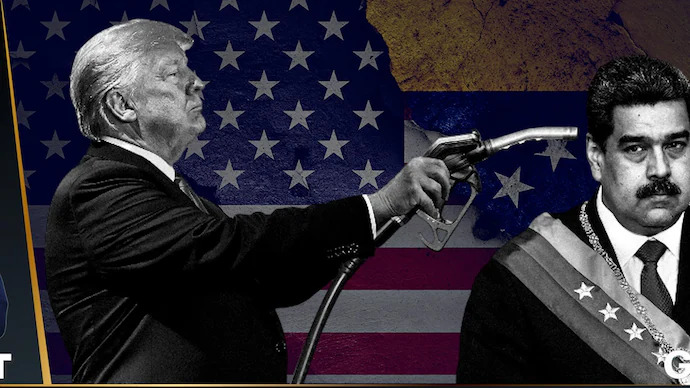
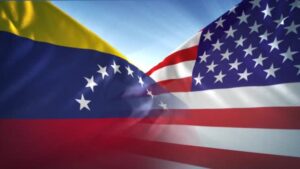
The long-standing tension between the United States and Venezuela has escalated into a major international maritime and diplomatic crisis following the U.S. seizure of several Venezuelan oil tankers in the Caribbean Sea. Caracas has condemned Washington’s actions as “extortion” and “piracy,” triggering new laws in Venezuela, global condemnation from allies, and a sharp geopolitical standoff over sanctions, maritime rights, and energy security.
What Triggered the Crisis?
In December 2025, the U.S. Coast Guard and other federal agencies intercepted and seized at least two oil tankers linked to Venezuela’s oil exports in international waters. These operations followed a larger policy shift in which the U.S. aimed to enforce economic sanctions targeting Venezuela’s oil revenue — a key financial lifeline for President Nicolás Maduro’s government. Washington claims the vessels were part of a “shadow fleet” used to evade sanctions and potentially facilitate illicit activities.
U.S. Stance: Sanctions and Blockade
The U.S. defines these actions as enforcement of sanctions designed to cut off revenue flows that allegedly support criminal networks and circumvent lawful restrictions. In mid-December, the U.S. announced a blockade on sanctioned oil tankers entering or exiting Venezuelan waters — a coastal action intended to disrupt the movement of crude bound for global markets. Officials argue that these measures are lawful and necessary to pressure the Maduro administration, which the U.S. has repeatedly criticized for corrupt practices and links to narcotrafficking.
Venezuela’s Response: Extortion and Piracy Claims
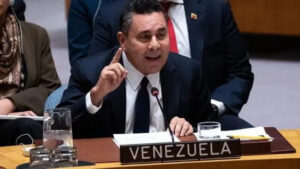
Venezuela has responded with fierce rhetoric. At an emergency session of the United Nations Security Council, the country’s ambassador to the U.N. accused the U.S. of engaging in “state piracy” and the “greatest extortion” in its history. Caracas claims that the interception of sovereign oil exports constitutes theft of national resources and a violation of international law.
The Venezuelan government has also passed new legislation criminalizing actions perceived as piracy, blockades, or support for such interference, with penalties of up to 20 years in prison. This law aims to deter foreign and domestic actors from participating in or financing maritime disruptions.
International Fallout and Legal Debate
The dispute has drawn in global powers and sparked intense debate over maritime law and sovereignty. China, a major buyer of Venezuelan crude, condemned the U.S. seizures as a violation of international laws and accused Washington of undermining other nations’ right to trade freely. Russia has also voiced support for Venezuela, viewing the U.S. actions as aggressive and destabilising for the broader region.
Legal experts remain divided. Some argue that the U.S. enforcement of sanctions falls within its rights under its own domestic laws, while others warn that intercepting foreign-flagged vessels in international waters challenges established norms of maritime law and could be interpreted as an act of blockade, which traditionally constitutes an act of war.
Key Incidents in the Escalation
• Seized Tanker: Skipper
On December 10, 2025, U.S. forces intercepted the oil tanker Skipper off the coast of Venezuela. The vessel was reportedly carrying millions of barrels of Venezuelan crude. Caracas labelled the action “blatant theft,” while U.S. officials said it was justified under sanctions enforcement. Wikipedia
• Second Tanker: Centuries
Just days later, another tanker, Centuries, was seized after allegedly operating under a false flag and transporting sanctioned Venezuelan oil to international markets.
A third tanker, Bella 1, has evaded boarding attempts by the U.S. Coast Guard, highlighting the operational challenges faced by authorities attempting enforcement amid stretched resources.
Impact on Oil Markets
The crisis has affected global energy markets, driving up oil prices amid fears of supply disruption. Venezuela, home to some of the world’s largest proven oil reserves, has relied heavily on crude exports to sustain its economy. Restrictions on tanker movements and ongoing diplomatic uncertainty risk slowing trade flows and forcing buyers to seek alternative sources.
Political Implications for the Region
The standoff has intensified a broader geopolitical struggle in the Western Hemisphere. U.S. policymakers argue that tightening sanctions and restricting oil exports will pressure the Maduro administration politically and economically. Critics, however, warn that such tactics risk fuelling instability, harming ordinary Venezuelans, and setting a dangerous precedent for international relations.
Venezuelan officials contend that Washington’s actions reflect not only economic coercion but also a broader strategy to undermine their government’s legitimacy. The rhetoric from Caracas frames the crisis as a defense of sovereignty and a warning against external interference.
What Comes Next?
As tensions remain high, several scenarios could unfold:
-
Diplomatic negotiations: Both nations may seek to de-escalate through international mediation to avoid further economic and legal fallout.
-
Increased legal challenges: Venezuela and its allies could escalate the matter in international courts or multilateral institutions.
-
Further sanctions or enforcement actions: The U.S. may continue its maritime strategy if diplomatic efforts stall.
-
Regional economic shifts: Countries dependent on Venezuelan oil may diversify supply or strengthen alliance ties.
The outcome of this crisis will likely reverberate across geopolitical lines, shaping not only U.S.–Venezuela relations but also broader discussions on maritime law, international trade, and the use of economic sanctions in global diplomacy.
Understanding Why This Matters
This dispute spotlights several fundamental issues of our time:
-
Sovereignty vs. sanctions enforcement: Balancing national rights with global pressure.
-
Maritime law interpretations: Defining legal boundaries for sanctions at sea.
-
Energy security: How oil flows influence global diplomacy and markets.
-
Geopolitical alliances: Realigning global support networks in contested conflicts.
As the crisis continues to evolve, it remains one of the most closely watched international flashpoints of late 2025 — with implications for law, diplomacy, and global energy dynamics.