
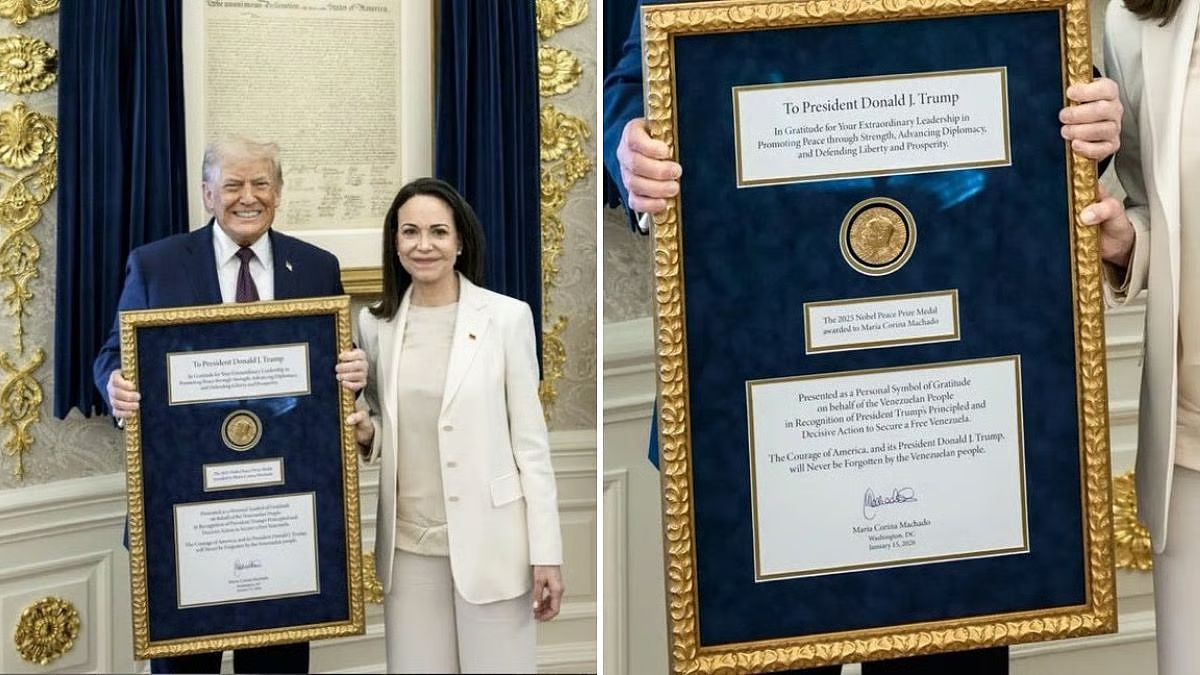
A Venezuelan Nobel Peace Prize laureate has made a dramatic and symbolic gesture by presenting her Nobel medal to former U.S. President Donald Trump, framing the act as a sign of gratitude for his stance against Venezuela’s former leadership and his support for international pressure on Caracas.
The moment, shared publicly after a private meeting, has drawn global attention — praised by supporters as a powerful political statement and criticized by others as controversial and polarizing.
A Symbolic Gesture With Global Impact
During the meeting, the Nobel laureate handed her medal to Trump, saying the award belonged not just to her but to the broader struggle for freedom, democracy, and human rights in Venezuela. She described the gesture as symbolic, emphasizing that international pressure played a role in amplifying the voices of Venezuelans facing repression.
The medal, one of the most recognizable symbols of global peace and moral authority, instantly elevated the political significance of the encounter.
Why the Medal Was Presented
The Venezuelan activist said she viewed Trump’s hardline approach toward Venezuela as a turning point that brought international focus to the country’s political and humanitarian crisis. According to her remarks, the medal was offered as:
-
A gesture of appreciation
-
A symbol of solidarity with Venezuelans seeking democratic reform
-
Recognition of international pressure applied during years of political turmoil
She stressed that the medal was not meant to endorse a single individual, but to highlight the global dimension of Venezuela’s struggle.
Trump’s Response
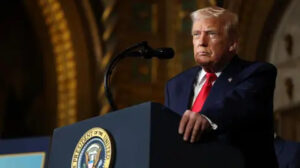
Trump accepted the medal and described the moment as an honor, reiterating his view that Venezuela’s crisis required strong international action. He said the gesture represented the resilience of the Venezuelan people and renewed his criticism of authoritarian governance in the country.
The former president also used the occasion to emphasize his broader foreign policy philosophy — applying pressure, sanctions, and diplomacy to confront regimes accused of human rights abuses.
Mixed Reactions Worldwide
The presentation sparked immediate and divided reactions:
Supporters Say
-
The gesture underscores the role of international pressure in challenging authoritarian systems
-
It draws renewed attention to Venezuela’s humanitarian and political crisis
-
It symbolizes gratitude from civil society leaders rather than governments
Critics Argue
-
Nobel symbols should remain separate from partisan politics
-
The act risks politicizing a prize meant to represent universal peace
-
It may overshadow the collective efforts of Venezuelan activists
The debate highlights how deeply polarized international discussions around Venezuela — and Trump himself — remain.
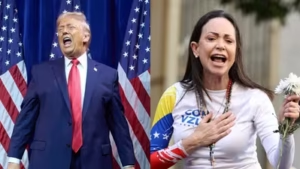
Why This Moment Matters
This event is significant because:
-
Nobel Peace Prize medals are rarely transferred or symbolically presented
-
It links global human rights advocacy with U.S. presidential politics
-
It reflects how Venezuela’s crisis has become intertwined with international power dynamics
The gesture also demonstrates how symbolic acts can carry enormous diplomatic and political weight, even without formal policy changes.
Venezuela’s Ongoing Struggle
Venezuela continues to face challenges related to economic recovery, political transition, and rebuilding democratic institutions. For many Venezuelans abroad, international recognition and support remain vital tools in maintaining pressure and visibility.
By presenting her medal, the laureate aimed to keep Venezuela’s story in the global spotlight — using one of the world’s most powerful symbols to do so.
Final Take
The presentation of a Nobel Peace Prize medal to Donald Trump is an extraordinary and controversial gesture, blending moral symbolism with global politics. Whether seen as gratitude, provocation, or political theater, the act has reignited debate over Venezuela, international responsibility, and the role of symbolic power in world affairs.
What is clear is that the moment has ensured Venezuela’s struggle — and the international arguments surrounding it — remain firmly in global focus.