

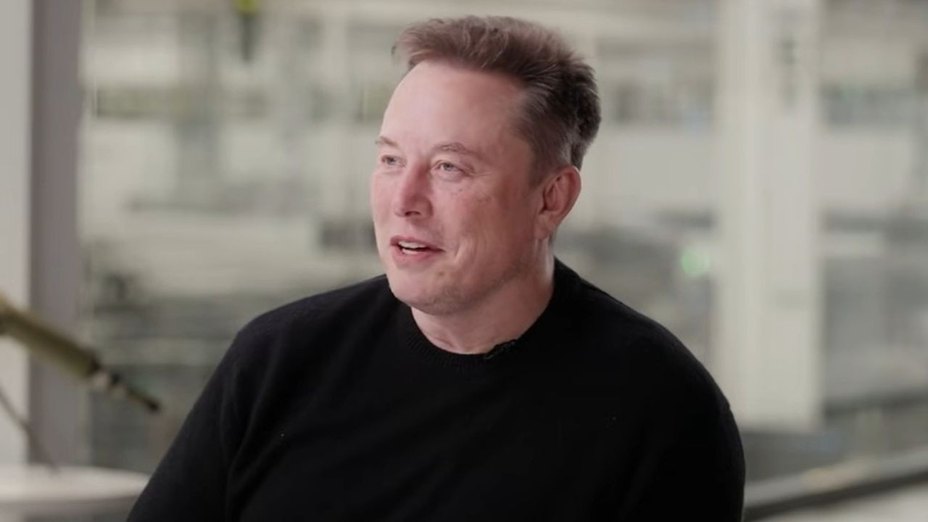
Elon Musk, the visionary behind Tesla and SpaceX, recently reflected on his tumultuous stint leading the US “Department of Government Efficiency” – or Doge. While he admits the effort to streamline government was “a little bit successful,” he unequivocally states he wouldn’t do it again.
Musk’s involvement with **Trump administration cost-cutting** began with grand ambitions. Reuters captured his February 2025 CPAC appearance, chainsaw in hand, symbolizing his intent to slash waste. He took the helm of the advisory group, created by executive order and famously named “Doge” after internet suggestions. His initial promise: save up to $2 trillion annually. After a whirlwind period, **Musk leaves Doge agency** in May, having garnered both support and fierce opposition. Doge’s website claims $214 billion saved this year.
In a recent Katie Miller Podcast interview, Musk shared his **Musk government efficiency remarks**. Asked if he’d reprise his role, his “no” was firm. He expressed regret, stating he would have “worked in my companies,” lamenting “burning the cars” incidents that followed his political involvement. Despite the personal toll, Musk maintains Doge was “a little bit successful,” citing its role in stopping “a lot of funding that really just made no sense.” The advisory group aggressively pushed for **US government reduction efforts**, including cuts to the federal workforce and agency closures. Some moves, however, faced legal challenges or were reversed.
Musk’s highly visible political role had significant repercussions for his business empire. Global protests and boycotts against Tesla surged, leading to vandalism, particularly targeting Cybertrucks. In April, Tesla reported its lowest sales in three years, warning that “changing political sentiment” could continue to hurt demand. This direct **Tesla political backlash** underscores the immense personal cost of his government efficiency crusade.

Beyond business troubles, Musk’s Doge tenure also led to an unexpected public spat with President Trump. Their relationship soured in June when Musk publicly criticized a Trump-backed spending bill, igniting a social media “war of words.” Trump even threatened a Doge investigation into Musk’s own government dealings. However, relations appear mended; Musk was spotted at a White House dinner in November and spoke positively of Trump, praising his “great sense of humour.”
Elon Musk’s venture into the “Doge” department stands as a unique career chapter. While his **Musk government efficiency remarks** highlight a “somewhat successful” endeavor in **Trump administration cost-cutting** and **US government reduction efforts**, the profound personal and business fallout, including severe **Tesla political backlash**, clearly outweighs any desire to repeat the experience. His ultimate reflection testifies to the complex interplay between innovation, politics, and public perception.